

Every single morning, millions of people around the globe wake up and initiate a series of quiet, seamless interactions with software. You might glance at your phone to check a local weather forecast, tap an app to stream a calming playlist during your commute, adjust a smart thermostat, or order fresh groceries with a quick gesture. Beneath the polished glass of our screens lies a living, breathing landscape that no longer relies on rigid, year-long rollout schedules or heavy, unyielding blueprints. Today’s fast-paced digital age demands software that is nimble, deeply reliable, and continuously evolving to match the rhythm of daily human life. Modern software development exists to meet this exact cadence. It leaves behind the cold, mechanical inertia of the past in favor of fluid collaboration, intuitive design, constant iteration, and genuine human empathy. Software technology plays a vital role in enabling this continuous evolution.
Building exceptional software is never merely an exercise in typing thousands of lines of code into an editor; at its core, it is a deeply human effort centered on understanding and solving real-world human problems rapidly and thoughtfully. Much like a natural ecosystem adapting gracefully to changing seasons, the software landscape thrives when developers, project managers, and tech enthusiasts listen closely to real human needs, cultivate adaptable principles, and harness modern tools to nurture meaningful, lasting digital experiences. Software technology plays an important role in enabling these meaningful and lasting digital experiences.
The Journey: How Software Development Evolved Over Time
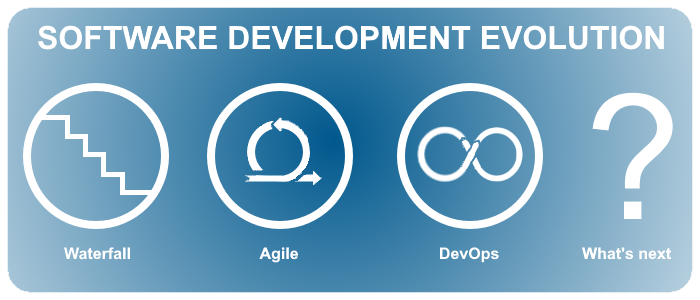
To fully appreciate how deeply software shapes our daily routines, work environments, and global connections, we must look back at its roots. Today’s fluid, responsive processes did not spring up overnight—they were forged through decades of trial, natural friction, hard-earned insight, and steady refinement. Software technology has evolved through this long journey of continuous development.
The Traditional Era: The Waterfall Model
1970s–1990s
A sequential, highly documented approach borrowed directly from heavy physical construction and civil engineering. Required finishing every requirement and system architecture document before writing a single line of runnable code.
The Agile Revolution
2001+
Transformed software creation by prioritizing human interaction, functional software, and real-time adaptation over rigid documentation and unyielding project plans.
The DevOps Movement
2009+
Broke down the historic barrier between developers and operations teams through automation, continuous delivery pipelines, and shared responsibility.
Cloud & Microservices
2010s+
Shifted giant monolithic applications into flexible, distributed microservices hosted on elastic cloud platforms like AWS, Microsoft Azure, and Google Cloud.
1. The Traditional Era: The Waterfall Model
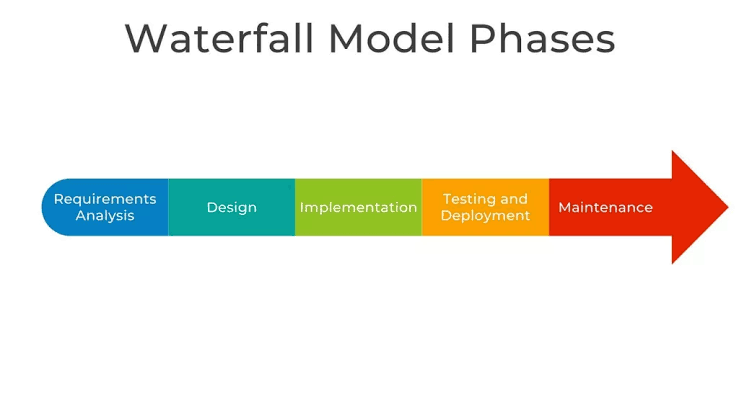
In the early days of computer engineering, pioneers naturally looked to familiar industries for structural guidance. They borrowed heavily from physical construction, architecture, and manufacturing, giving birth to the Waterfall model—a strict, linear, step-by-step march forward. Teams would exhaustively gather every single requirement upfront, draft complete architectural designs on paper, write the source code, conduct rigorous testing, deploy the final system, and eventually move into a prolonged maintenance phase. Each phase was locked down completely before the next phase was allowed to take its first step. Software technology was developing within this structured approach.
While this methodical blueprint made sense for building physical bridges, launching satellites, or programming safety-critical hardware in aerospace and medical devices, it proved painfully heavy and inflexible for general consumer software. Human needs, market dynamics, and technological environments are rarely static. If a client’s real-life needs shifted halfway through a two-year build cycle, adapting meant costly rework, missed deadlines, intense team frustration, and bloated budgets. Software teams frequently spent years nurturing a massive project behind closed doors, only to discover upon delivery that human habits had shifted and the original problem had transformed.
2. The Agile Revolution: Iterative & Customer-Focused
By the late 1990s and early 2000s, thoughtful developers recognized that code needed to be as organic, flexible, and adaptable as the communities using it. In 2001, a small gathering of software visionaries met in Utah to draft the Agile Manifesto, fundamentally flipping traditional engineering on its head. They made a conscious choice to value individuals and interactions over rigid processes, working software over comprehensive documentation, customer collaboration over contract negotiation, and responding to change over blindly following a fixed plan. Software technology became increasingly aligned with these principles.
Instead of attempting to construct a massive, complex application all at once, Agile breaks the journey into short, manageable build cycles known as sprints, typically lasting two to four weeks. At the conclusion of every sprint, the team delivers a fully functional, usable increment of software. They present it to real people, gather genuine feedback, reflect deeply on what worked, and adjust their course for the very next sprint. Frameworks such as Scrum and Kanban gave teams clear visual environments to observe their work in real time, clear operational bottlenecks naturally, and maintain a steady, healthy creative output without burning out. Software technology continues to benefit from these adaptive practices.
3. The DevOps Movement: Bridging Development & Operations
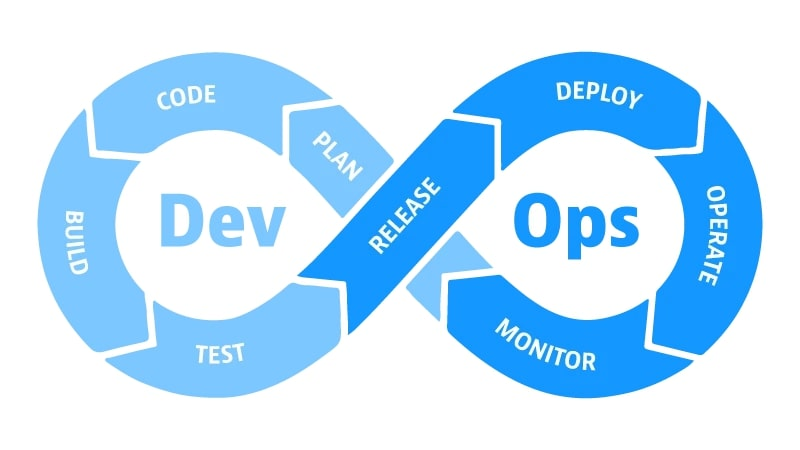
Agile successfully solved the challenge of designing and writing software quickly, but as teams grew faster, a new point of friction emerged: getting that code out of local development setups and safely into the hands of real users on a daily or weekly basis. Historically, software engineers wrote code and literally handed it “over the wall” to system operations teams, who were responsible for running and maintaining live production servers. Developers naturally wanted rapid releases and constant innovation, whereas operations engineers prioritized system stability, predictability, and uptime. This inherent conflict produced miscommunications, finger-pointing during system outages, and agonizingly delayed release cycles. Software technology increasingly required better collaboration between development and operations.
DevOps emerged around 2009 as a vital cultural movement designed to dismantle that symbolic wall entirely. By encouraging shared accountability, open dialogue, and heavy automation across the entire lifecycle, DevOps turned software delivery into a smooth, unified discipline. Modern practices such as Continuous Integration (CI), Continuous Delivery (CD), and Infrastructure as Code (IaC) allow engineers to automate testing and server configuration completely. Updates can be pushed gently and frequently into live systems, reducing human error while shortening release cycles from nerve-wracking multi-month events into quiet, routine daily improvements. Software technology continues to evolve through these modern delivery practices.
4. Cloud & Microservices: Scalable & Resilient Systems
As digital global communities expanded, relying on heavy, centralized, “monolithic” applications hosted on physical on-premise servers created immense scaling challenges. In a monolithic setup, the entire application—database access, user interfaces, business logic, payment handling—is bundled into a single codebase. Scaling up meant purchasing expensive, physical server hardware that sat underutilized during quiet hours, only to face severe performance degradation or total crashes during sudden spikes in user traffic. Software technology faced significant challenges in adapting to this growing demand.
The broad adoption of cloud computing—led by pioneers like Amazon Web Services (AWS), Microsoft Azure, and Google Cloud Platform—offered flexible, on-demand server infrastructure available over the internet. Hand in hand with the cloud came microservices architecture: the art of breaking a massive application down into a collection of small, independent services. Each service handles a single capability (such as user authentication or payment processing) and communicates with other services through clear Application Programming Interfaces (APIs). Together, cloud elasticity and microservices give modern platforms (from global video streaming services to massive e-commerce networks) the resilience to handle massive traffic surges effortlessly without crashing the broader ecosystem. Software technology has evolved to support these scalable and resilient architectures.
Essential Principles & Methodologies Guiding Modern Teams
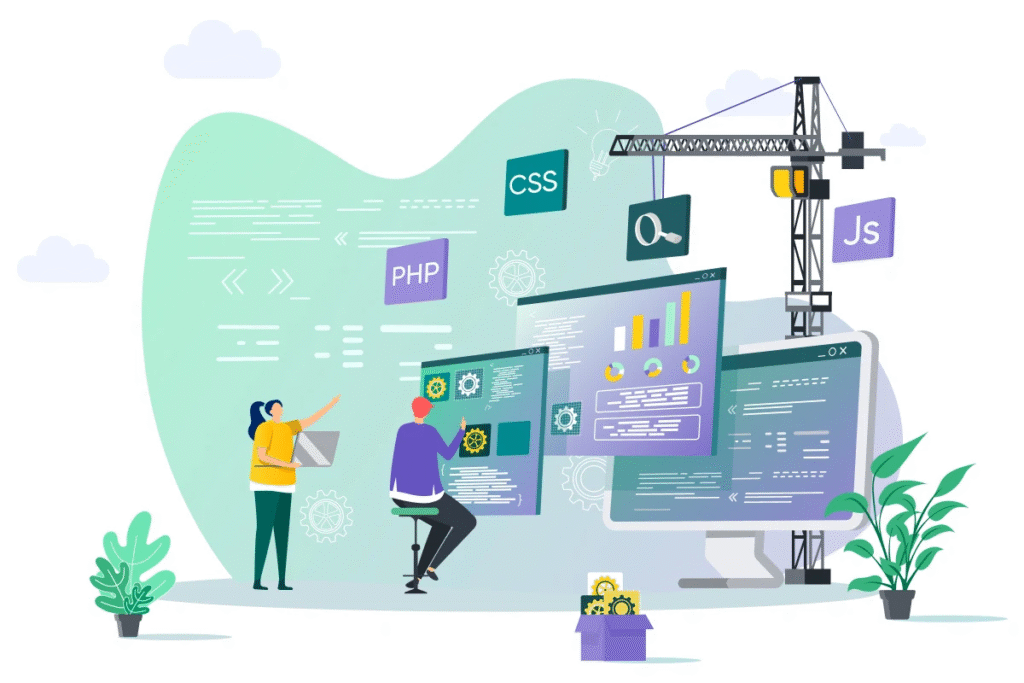
Building software that stands the test of time requires a harmonious balance of human empathy, disciplined reflection, and structured communication. Modern development teams remain grounded by leaning on several core philosophies:
- Agile Mindset & Incremental Value: Emphasizes continuous learning, early and frequent value delivery, and realistic self-reflection. Daily stand-up meetings, sprint reviews, and honest team retrospectives ensure that everyone remains closely aligned with shared human goals without losing sight of the bigger picture.
- Scrum & Kanban Frameworks: Scrum structures effort into focused, time-boxed sprints guided by Product Owners and Scrum Masters. Kanban offers a clean visual board—moving tasks smoothly across columns such as “To Do,” “In Progress,” and “Done”—helping teams set sensible work-in-progress limits to maintain an unhurried, consistent flow.
- DevOps Culture & Automation: Blends software creation and live operations into a single, continuous loop. Automated testing and deployment scripts take the anxiety out of releasing new code, transforming shipping day into a calm, regular workplace occurrence.
- User-Centric Design Thinking: Keeps real human experiences, emotions, and needs at the exact center of every technical choice. Through early user interviews, simple visual wireframes, interactive prototype testing, and usability studies, engineering teams make sure they are building features that people actually want, understand, and enjoy using in their daily lives.
The Modern Software Toolkit
To build systems that endure high user demand and continuous change, modern software engineers rely on a carefully selected ecosystem of specialized tools and software platforms:
| Category | Industry-Standard Tools | Primary Human & Technical Purpose |
| Version Control | Git, GitHub, GitLab | Serves as a shared digital memory, tracking every line change so teams can collaborate across time zones without overwriting each other’s creative work. |
| CI/CD Automation | Jenkins, CircleCI, GitHub Actions | Automatically builds, inspects, and prepares code for live deployment the moment an engineer saves and shares their work. |
| Containerization | Docker, Kubernetes | Packages applications together with all their dependencies into standardized containers, ensuring code runs identically on any environment. |
| Cloud Platforms | AWS, Azure, Google Cloud | Delivers elastic computing power, global storage, managed databases, and advanced cloud services on demand without hardware management overhead. |
| Team Collaboration | Slack, Jira, Trello | Organizes daily conversations, maps out creative product roadmaps, tracks bugs, and makes project progress visible and clear to everyone involved. |
| System Monitoring | Prometheus, New Relic, Datadog | Observes application performance in real time, catching subtle errors or latency spikes before end users ever notice a disruption. |
Best Practices for Building Reliable, Human-Centered Software

Crafting high-quality software is a craft that demands mindfulness, attention to detail, and disciplined practices. Modern engineering organizations hold themselves accountable to several foundational habits:
1.Writing Clean, Readable Code:Prioritize long-term maintainability over clever brevity.
Computers process raw instructions effortlessly, but human minds must read, comprehend, and maintain that code down the road. Writing clean code relies on intuitive variable naming, clear modular organization, and thoughtful formatting. Investing time up front prevents steep technical debt from accumulating over time.
2.Automating Testing Early and Often:Build a continuous safety net before expanding features.
Manual quality assurance testing is slow, repetitive, and naturally vulnerable to human fatigue. Automated unit tests, integration suites, and end-to-end user tests run silently in the background, providing immediate reassurance that new ideas haven’t disrupted existing, working features.
3.Adopting Shift-Left Security:Incorporate security consideration from the first line of code.
Rather than auditing security as a stressful, hurried final step right before launch, modern development teams “shift security left”—integrating automated vulnerability scanning, dependency checks, and secure coding practices into the earliest stages of feature design.
4.Embracing Peer Code Reviews & Collaboration:Two human perspectives reveal clearer logic than one.
Quality improves dramatically when human minds collaborate openly. Peer code reviews allow developers to exchange constructive feedback, share architectural knowledge, and catch logical flaws early. Pair programming fosters real-time problem-solving and accelerates personal learning.
5.Designing for Scalability & Performance:Plan thoughtfully for gradual, long-term growth.
From optimizing database queries to implementing intelligent multi-tier caching strategies, software should be architected from day one to handle steady increases in traffic gracefully, ensuring user experiences remain fast, responsive, and seamless.
Emerging Trends: What’s Next for Software Technology?
The technical landscape constantly shifts forward, driven by human curiosity, scientific breakthroughs, and evolving societal needs. Today, we are witnessing several exciting transformations that are redefining how software gets built and experienced:
- AI-Assisted Development: Artificial intelligence tools like GitHub Copilot and intelligent code assistants act as natural extensions of a developer’s mind. By auto-generating routine boilerplate code, suggesting syntax fixes, and analyzing logic patterns, AI tools handle repetitive chores so human developers can direct their energy toward high-level creative architecture and user experience design.
- Low-Code & No-Code Platforms: Visual interfaces and drag-and-drop builders (such as OutSystems, Mendix, or Bubble) allow non-technical problem solvers—designers, domain experts, and small business owners—to build functional applications. This democratizes software creation, allowing fresh ideas to blossom without requiring years of specialized programming training.
- Edge Computing & Serverless Architectures: By shifting computation away from centralized data centers and closer to where physical events happen—on local IoT sensors, mobile devices, and neighborhood processing nodes—edge computing dramatically slashes latency while serverless paradigms eliminate the headache of server management.
- Green & Sustainable Computing: As global computing power expands, a mindful movement is emerging around writing resource-efficient code, optimizing database access, and selecting carbon-neutral cloud providers. Software engineering is increasingly taking responsibility for minimizing the digital world’s physical energy footprint.
The Human Core of Digital Transformation
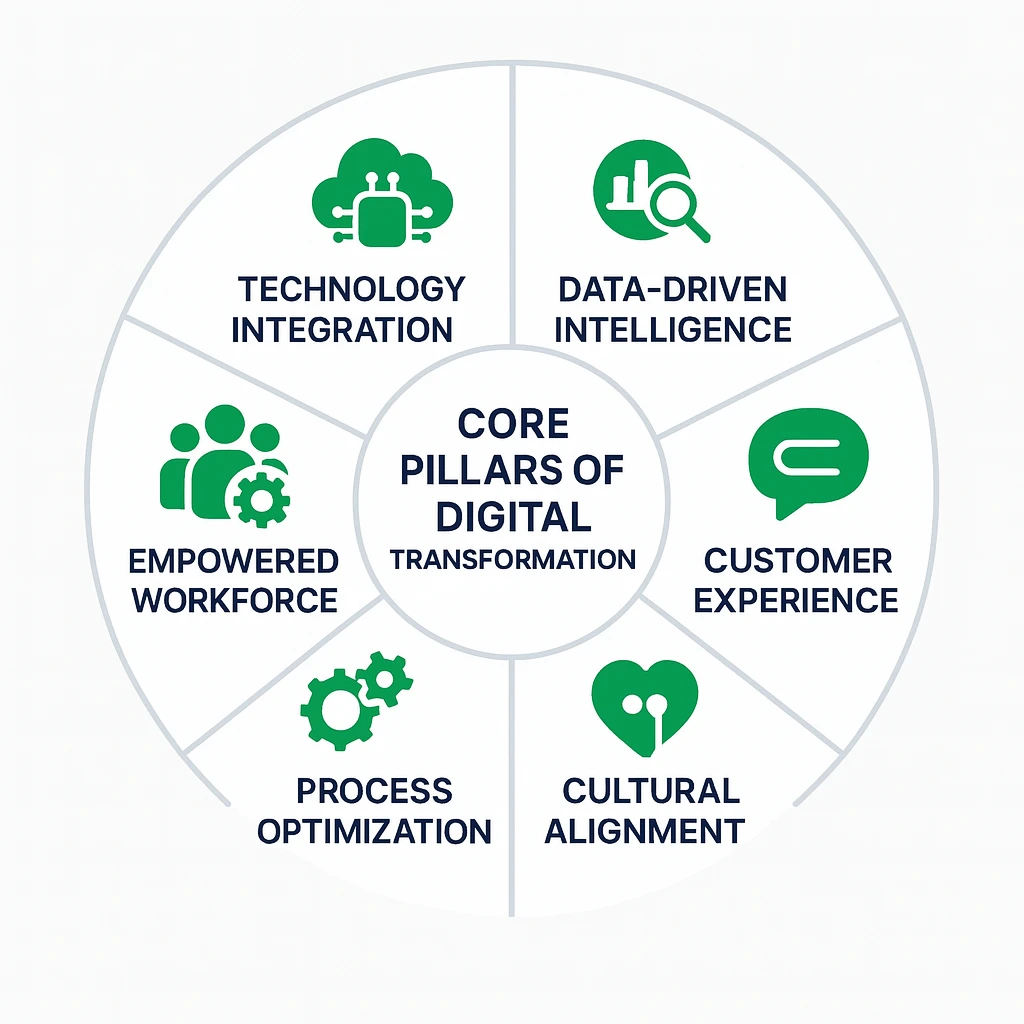
When you strip away the layer of technical jargon, intricate frameworks, automated pipelines, and cloud server clusters, modern software engineering remains a fundamentally human story. Technology evolves because human lives change, and the most extraordinary software solutions will always be those created with genuine empathy, open curiosity, and a steadfast dedication to making life simpler, richer, and more meaningful.
Modern software technology has furnished us with unprecedented capabilities; our ongoing opportunity and challenge are to use these tools thoughtfully to solve the real-world problems that matter most to our shared global community.
Frequently Asked Questions
How does modern software development directly help everyday users?
It allows apps to update seamlessly behind the scenes, fixing bugs and adding helpful features without interrupting your daily routine.
Why did software teams abandon old-school “Waterfall” planning?
Because human needs change too fast; rigid multi-year plans often resulted in outdated tools by the time they finally launched.
What is the main human benefit of adopting a DevOps culture?
It replaces stress and finger-pointing between teams with shared trust and automation, making updates smooth, predictable, and frequent.
How does cloud computing make apps more reliable during peak hours?
It lets applications automatically draw extra server power when millions log in at once, preventing frustrating crashes and slow load times.
Will AI coding tools replace human software developers?
No, AI handles repetitive coding chores, freeing developers to focus on creative problem-solving, empathy, and designing user-friendly experiences.