
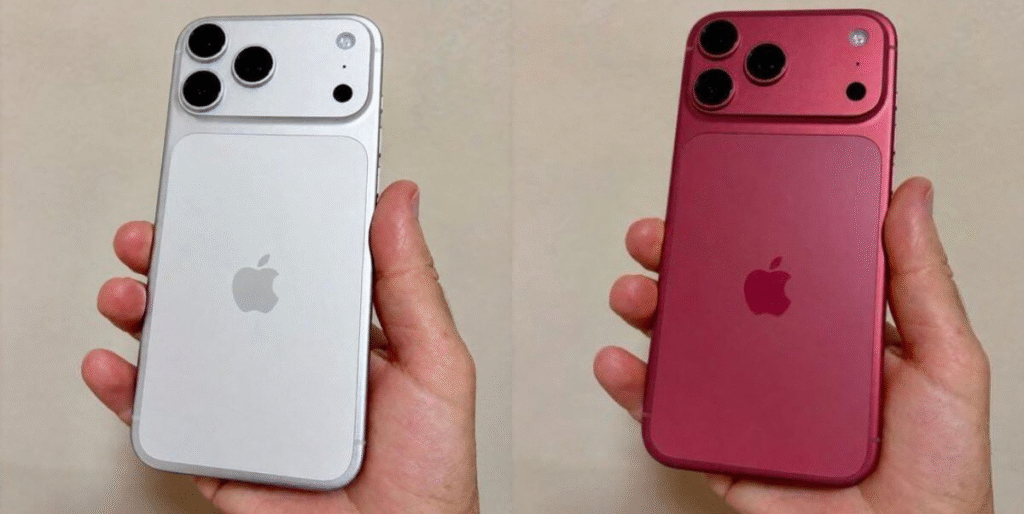
Every autumn, the tech world pauses to see what Apple has cooked up in Cupertino. But if the latest whispers from supply chains, regulatory filings, and long-time Apple watchers are anything to go by, the upcoming release is shaping up to be much more than a simple annual spec bump. With a potential leadership changing of the guard, a massive leap in processing silicon, and hardware decisions explicitly tailored to handle deep artificial intelligence, the iPhone 18 Pro stands at a fascinating crossroads.
Whether you are debating holding on to your current handset or eager to see how Apple intends to push the boundaries of mobile tech, here is everything you need to know about Apple’s next Pro flagship.
Release Date and Event Expectations: A Shift in Apple’s Rhythm
For years, we have grown accustomed to a familiar September rhythm: grab your pumpkin spice latte, tune into the livestream, and see the full range of new iPhones arrive all at once. This time around, Apple seems to be rethinking its launch strategy.
Reports from Bloomberg’s Mark Gurman and other industry analysts suggest Apple is splitting the iPhone 18 series across two seasons. The flagship iPhone 18 Pro, iPhone 18 Pro Max, and the long-rumoured iPhone Fold are slated for an autumn 2026 launch, while the standard iPhone 18, the entry-level 18e, and the second-generation iPhone Air will likely wait until spring 2027.
The September Timeline
If history is any indicator, mark your calendar for early September:
- Keynote Event: Expected around Wednesday, 9 September 2026. Labor Day in the US falls on Monday, 7 September, and Apple traditionally avoids holding events on the immediate Tuesday following a public holiday.
- Pre-Orders: Expected to open on Friday, 11 September 2026.
- On-Sale Date: Predicted for Friday, 18 September 2026, matching Apple’s established retail cadence.
Why Split the Lineup?
This staggered launch comes down to two practical human choices: manufacturing complexity and market focus. Producing a cutting-edge 2-nanometre chip alongside complex display tech creates immediate supply constraints. By giving the Pro line and the Fold the entire autumn spotlight, Apple lets its top-tier hardware shine through the peak holiday shopping season without lower-priced models competing for consumer attention.
Adding a human touch to the corporate story, this launch aligns with a potential changing of the guard. Rumours suggest Tim Cook may pass the CEO baton to John Ternus around the time of the September event. A flawless, on-time autumn reveal gives the incoming chief executive a strong, confident start out of the gate.
Design and Display: Subtle Refinements and LTPO+ Tech
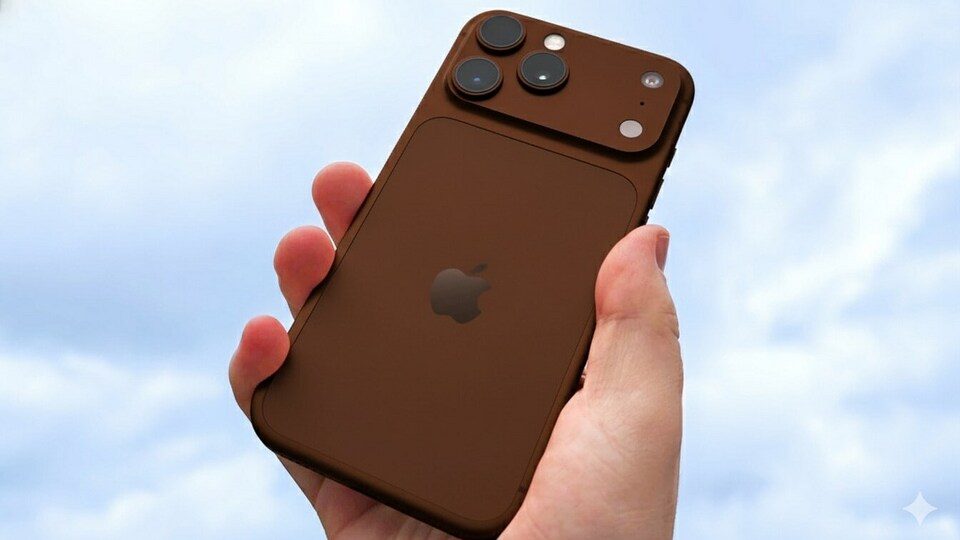
Visually, the iPhone 18 Pro won’t drastically reinvent the wheel, but a closer look reveals intentional design tweaks aimed at making the device more immersive and durable.
iPhone 18 Pro
( O ) Under-Display Face ID ← Smaller Island
6.3″ or 6.9″ LTPO+ OLED
120Hz ProMotion Display
[ Titanium Frame ] + [ Slightly Transparent Ceramic ]
Display Sizes and LTPO+ Panels
Screen sizes will remain consistent with recent Pro iterations:
- iPhone 18 Pro: 6.3-inch display
- iPhone 18 Pro Max: 6.9-inch display
Both models will feature upgraded LTPO+ OLED panels supporting 120Hz ProMotion. While current LTPO displays already offer adaptive refresh rates to conserve power, LTPO+ introduces even finer power-efficiency controls without sacrificing fluid scrolling or always-on display functionality.
A Smaller Dynamic Island
One of the most welcomed visual tweaks is a reduction in the size of the Dynamic Island cutout. Apple has reportedly managed to move Face ID’s flood illuminator beneath the glass panel. While early rumors hinted at a complete hole-punch display, more grounded reports confirm that the Dynamic Island pill remains—it’s just noticeably sleeker, giving you back valuable screen real estate.
Build and Fresh Colours
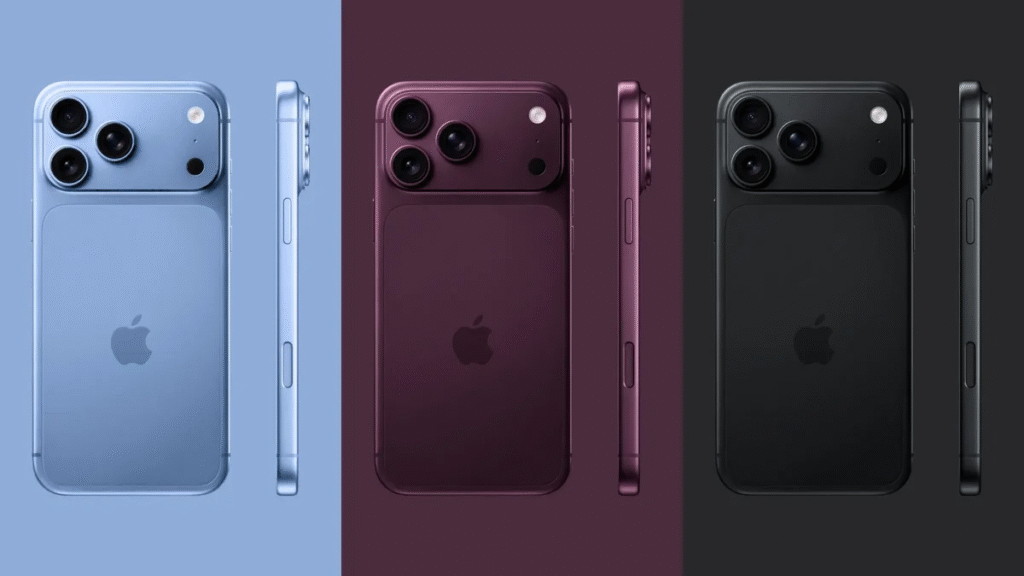
Expect the continued use of premium titanium for the outer frame, paired with an updated Ceramic Shield back glass rumoured to offer a subtle, slightly transparent finish.
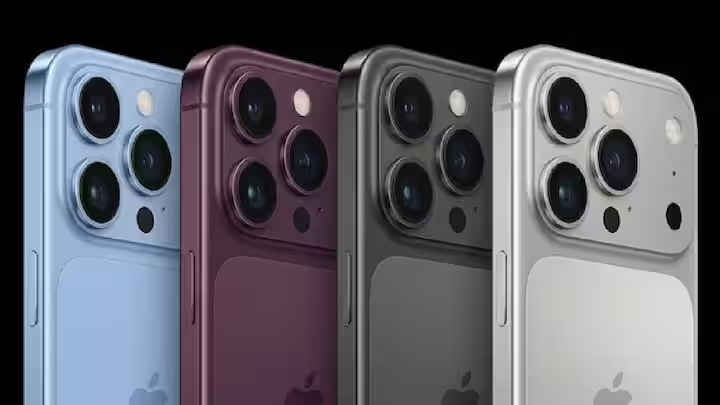
Color choices reflect a grounded, sophisticated tone:
- Dark Cherry: The standout new hero colour, described as a deep, rich wine shade with purple undertones.
- Light Blue (or Ice Blue): A subtle, cool alternative.
- Dark Grey & Silver: Clean, classic staples.
- Discontinued: Cosmic Orange, Deep Blue, and traditional pure Black are not expected to return.
Under the Hood: The 2nm A20 Pro Silicon
At the heart of the iPhone 18 Pro lies Apple’s next-generation silicon milestone: the A20 Pro chip. Built on TSMC’s cutting-edge 2-nanometre (2nm) process, this represents a major technological leap beyond the 3nm architecture of previous generations.
A19 Pro (3nm FinFET) → A20 Pro (2nm GAAFET)
CPU Speed: +15% Faster
Power Efficiency: +30% Reduced Draw
Transistor Architecture: GAAFET Micro-Delivery
RAM Allocation: 12GB Dedicated DRAM
Real-World Performance & Efficiency
Instead of just chasing raw, arbitrary benchmark numbers, the shift to 2nm delivers practical benefits you feel in everyday use:
- ~15% Faster CPU Performance: Snappier app launches and faster photo/video processing.
- Up to 30% Better Energy Efficiency: Significantly less power drain under heavy workloads like gaming or filming 4K video.
- GAAFET Architecture: Gate-All-Around Field-Effect Transistors replace older FinFET technology, improving electrical current delivery at a microscopic level to control excess heat.
Memory Split: Why 12GB RAM Matters
Unlike the entry-level models—which are now expected to settle at 9GB of RAM—the iPhone 18 Pro and Pro Max will retain a full 12GB allocation of RAM.
This isn’t just about multi-tasking between dozens of background apps. That dedicated memory headroom acts as a high-speed workspace explicitly required to run complex on-device machine learning models smoothly.
Camera Breakthroughs: Bringing DSLR Mechanics to iPhone
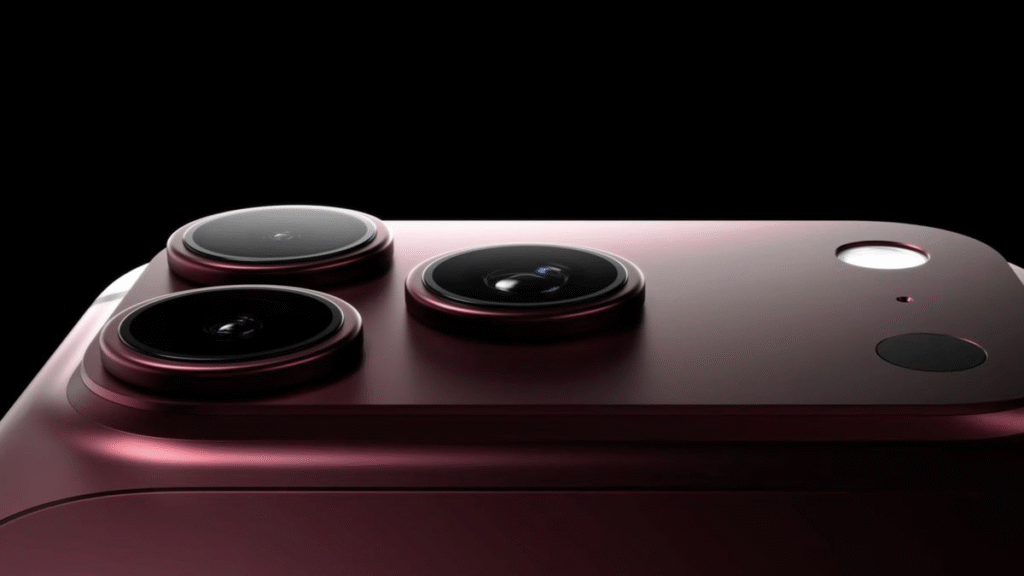
Apple’s Pro lineup has long focused on giving mobile photographers real control, but the iPhone 18 Pro introduces an architectural first for the series: physical variable aperture.
Closed Aperture: f/2.4 – High Light / Wide Depth
( O ) →Ideal for bright landscapes
Open Aperture: f/1.4 – Low Light / Natural Bokeh
( ) → Ideal for night shots & cinema portraits
The Variable Aperture Main Camera
The primary 48MP Fusion camera lens can physically expand or contract, adjusting how much light hits the sensor—much like an aperture mechanism on a dedicated DSLR lens:
- Low-Light Photography: In dim conditions, the lens opens wider to gather more ambient light naturally, reducing reliance on aggressive digital noise suppression.
- Controlled Depth of Field: Capture portraits with true optical bokeh and soft background blur rather than purely relying on software algorithms.
- Bright Sunlight Control: In harsh afternoon light, the lens stops down to prevent blown-out highlights and maintain highlight details in clouds and sky.
Front Camera Upgrades
Selfies, video calls, and FaceTime sessions get a direct boost as well. The front camera bumps up from 18MP to 24MP, ensuring sharper facial detail and clearer video capture even in tricky lighting.
Battery Strategy & On-Device AI: Capacity vs. Stamina
When leaks revealed increased battery capacities, tech enthusiasts naturally expected massive jumps in screen-on time. However, a deeper look reveals a deliberate shift in how Apple manages internal power.
Confirmed Battery Sizes
Regulatory filings in China reveal actual capacities for the new lineup:
- iPhone 18 Pro: 4,065 mAh (China variant) / 4,288 mAh (US eSIM-only variant)
- iPhone 18 Pro Max: 5,391 mAh (China variant) / 5,567 mAh (US eSIM-only variant)
(Note: US variants offer slightly larger batteries because removing the physical SIM card tray creates extra internal physical space.)
Powering Siri AI and On-Device Intelligence
So where does that extra battery capacity go? Rather than simply adding hours of static video playback, that additional energy is intentionally budgeted to power heavy on-device artificial intelligence tasks.
With iOS 27 introducing an overhauled Siri AI powered in part by deep system integration, local context understanding, and expressive voice synthesis, the hardware works significantly harder behind the scenes. Apple continues to rely on trusted lithium-ion polymer chemistry, choosing proven thermal stability over the volatile high-density silicon-carbon batteries used by some competitors.
Connectivity & Satellite Tech: Coverage Without Signal
The iPhone 18 Pro debuts Apple’s custom-designed C2 Modem, completely moving away from third-party cellular modems and introducing unprecedented connectivity features.
Satellite Internet via Amazon Leo
While previous generations offered basic emergency SOS satellite messaging, the C2 modem utilizes NR-NTN (New Radio Non-Terrestrial Networks) protocol. Powered by Amazon’s Leo satellite network, this delivers full satellite internet access when cellular towers and Wi-Fi networks are out of reach.
- Third-Party App Access: Apps like Apple Maps, Photos, and messaging platforms can send and receive data over satellite links.
- Rural Reliability: Provides a reliable safety net for hikers, rural travelers, or anyone working far off the grid.
- Expanded 5G Performance: Built-in mmWave 5G capabilities ensure blistering cellular speeds in dense urban centers.
N2 Wireless Chip
The C2 modem works side-by-side with a new N2 wireless chip, optimizing Wi-Fi 7, Bluetooth 6, and local device communication for seamless handoff between home networks and cellular connections.
Hardware Specifications Comparison
Here is how the iPhone 18 Pro and Pro Max measure up alongside the rest of the rumoured range:
| Feature | iPhone 18 Pro | iPhone 18 Pro Max | iPhone Fold (Ultra) | Standard iPhone 18 |
| Release Window | Sept 2026 | Sept 2026 | Sept 2026 | Spring 2027 |
| Display | 6.3″ LTPO+ 120Hz | 6.9″ LTPO+ 120Hz | 5.5″ Outer / 7.8″ Inner | 6.3″ OLED |
| Chipset | A20 Pro (2nm) | A20 Pro (2nm) | A20 (2nm) | A20 (2nm) |
| RAM | 12GB | 12GB | 12GB | 9GB |
| Base Storage | 256GB | 256GB | 256GB | 256GB |
| Main Camera | 48MP Variable Aperture | 48MP Variable Aperture | 48MP Dual (No Tele) | 48MP Standard |
| Front Camera | 24MP | 24MP | Under-Display / Notch | 24MP |
| Modem | Apple C2 (Satellite) | Apple C2 (Satellite) | Apple C2 | Apple C1X |
Expected Pricing and Verdict: Should You Wait?
Predicting Apple pricing is always tricky, but component costs for 2nm wafers and high-grade DRAM mean prices carry higher uncertainty than usual.
Estimated Pricing (UK & Global Baseline)
- iPhone 18 Pro (256GB): Expected around ~£1,199 / $999(with upside risk due to rising component costs)
- iPhone 18 Pro Max (256GB): Expected around ~£1,249 / $1,199
Who Should Upgrade?
- Upgrading from iPhone 15 Pro or older: The cumulative leaps—a 2nm chip, 12GB RAM for full AI features, variable aperture optics, and satellite connectivity—will feel like a night-and-day transformation.
- Mobile Content Creators: The combination of manual mechanical aperture control, 4K efficiency, and expanded storage options makes this an ideal pocket workhorse.
- Outdoor & Remote Workers: True satellite data access changes how you work away from urban grid networks.
If you already carry an iPhone 17 Pro, the upgrade comes down to whether you specifically need variable aperture optics or satellite data access. But for anyone waiting on a truly complete, future-proofed hardware package, the iPhone 18 Pro is shaping up to be well worth the wait.
Frequently Asked Questions
When is the iPhone 18 Pro actually coming out?
It’s expected to launch in mid-September 2026, following Apple’s usual autumn release schedule.
Will all iPhone 18 models launch at the same time?
No, Apple is splitting the lineup—Pro models and the Fold drop in autumn 2026, while standard models wait until spring 2027.
What is the biggest camera upgrade on the Pro models?
The new 48MP variable aperture lens lets you physically control light and natural background blur just like a real DSLR camera.
Why do the Pro models have more RAM than standard ones?
The Pro gets 12GB of RAM specifically to process heavy on-device Siri AI and Apple Intelligence features without slowing down.
Can I send messages via satellite if I have no signal?
Yes, the new C2 modem gives you full satellite data connectivity for third-party apps, navigation, and messaging far off the grid.