
There is a quiet, persistent longing that hits most of us at some point in our lives to travel. You’re sitting at your desk, watching raindrops trace patterns down the windowpane, or perhaps standing in a crowded subway train, and suddenly you feel it—a subtle tugging at the sleeve of your consciousness. It’s an urge to pack a single bag, step out the front door, and go looking for something real through travel.
We live in a world overflowing with itineraries, travel hacks, and curated beach selfies. Yet, deep down, human beings rarely travel just to witness a new landscape; we travel because we hope the landscape will somehow change us.
This is where faith-based travel and pilgrimage diverge from ordinary tourism.
When you set out toward a sacred space—whether it’s a windswept mountain monastery, a sun-baked desert shrine, or a bustling city cathedral—you aren’t just crossing geography; you are crossing an inner threshold. You are choosing to walk through spaces where billions of human thoughts, prayers, tears, and hopes have saturated the very earth beneath your feet.
Across centuries, the natural world and human spirituality have been tightly woven together. We climb peaks to feel closer to the sky; we sit by rushing rivers to learn how to let go; we seek out ancient groves of trees to remember what it means to stand rooted. Today, millions of weary souls, curious seekers, and devout believers are returning to this ancient rhythm. They are putting down their digital screens to feel the cool, weathered stone of ancient temples and to listen to the wind rustling through sacred leaves.
This guide is an invitation to explore what happens when we travel not just with an open map, but with an open, inquiring mind.
What Does Faith-Based Travel Really Mean?
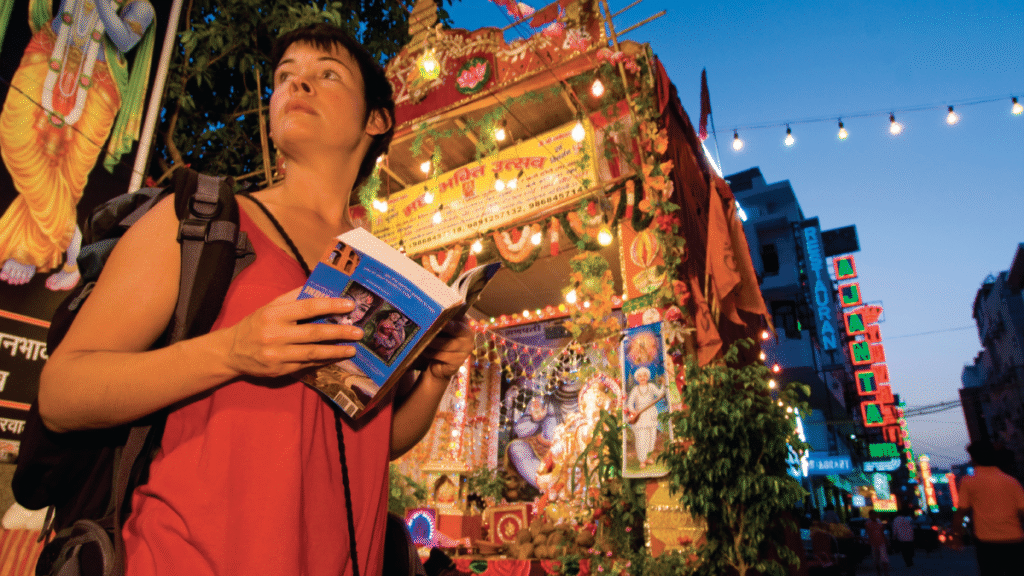
At its core, faith-based travel is any journey sparked by an inner spiritual spark, a curiosity about the divine, or a desire to touch the roots of human belief. It is the art of wandering with intention.
For thousands of years, long before paved highways, flight rewards, or GPS, human beings walked across treacherous terrain, crossed roaring rivers, and braved harsh winter winds just to kneel at a specific rock, cave, or altar. They were drawn by an intuitive human understanding: some places on this Earth feel thinner than others.
Today, this form of travel takes many shapes:
- Organized Group Pilgrimages: Traveling alongside fellow believers, sharing songs, meals, and communal prayers along the way.
- Solo Spiritual Quests: Walking quietly through countryside trails, seeking solitude, personal clarity, or healing from grief.
- Cultural and Architectural Exploration: Visiting magnificent houses of worship simply to admire the human artistry, silence, and history held within their walls.
You don’t need to hold a specific dogmatic belief to feel the weight of these spaces. Even the most secular traveler often finds themselves hushing their voice upon stepping into a centuries-old sanctuary. The air simply feels heavier with human history and silent contemplation.
Travel vs. Pilgrimage: The Subtle Art of the Inner Journey
While people often use the words interchangeably, there is a gentle, psychological boundary between being a “faith-based traveler” and a “pilgrim.”
| Dimension | The Faith-Based Traveler | The Sacred Pilgrim |
| Primary Mindset | Curious, appreciative, and observant. | Contemplative, vulnerable, and expectant. |
| Relationship to Time | Follows a thoughtful schedule to experience the site. | Surrenders to the slow, unpredictable rhythm of the road. |
| The Journey Itself | A pleasant means of reaching a meaningful destination. | The core spiritual furnace where inner change actually occurs. |
| Focus | Learning about the traditions and history of others. | Seeking an inner shift, forgiveness, healing, or revelation. |
“A tourist moves through a landscape taking pictures; a pilgrim allows the landscape to move through them, taking memories and leave-takings.”
When you travel as a pilgrim, the physical discomforts—the blister on your heel, the missed train, the sudden downpour while walking through a valley—stop being annoying inconveniences. Instead, your mind begins to process them as gentle lessons in patience, resilience, and surrender.
Earth, Stone, and Spirit: Sacred Destinations Around the Globe
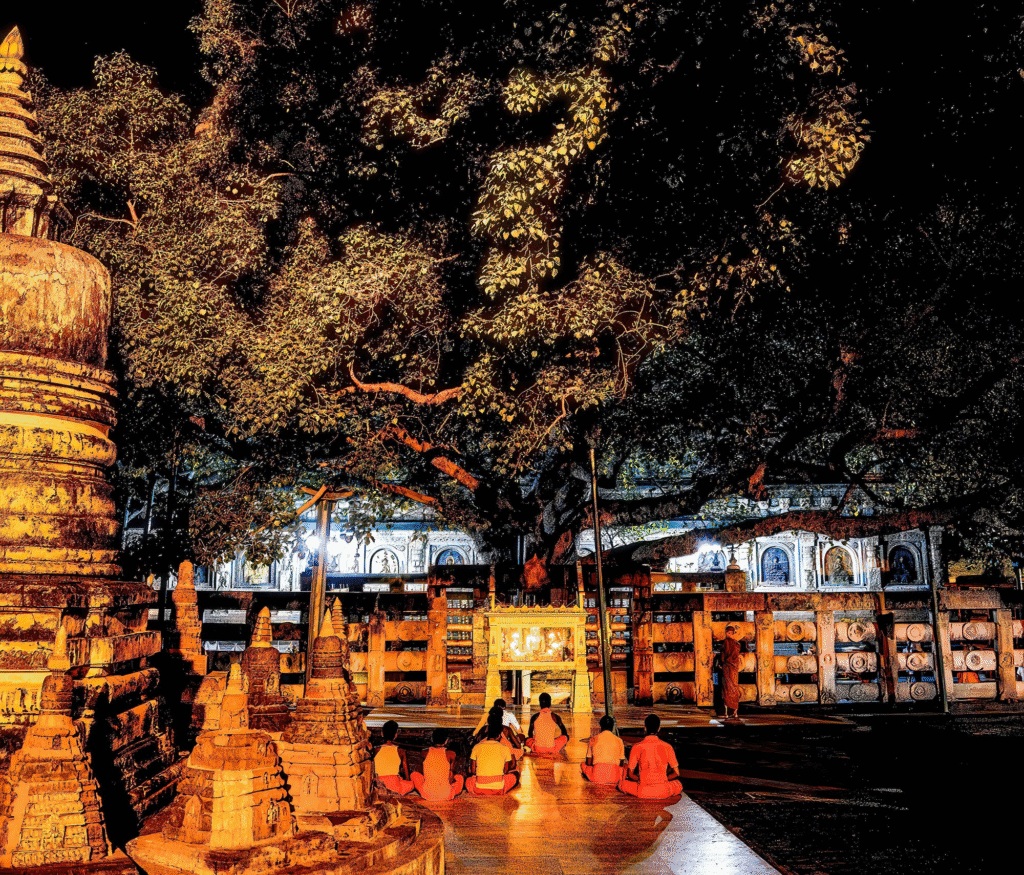
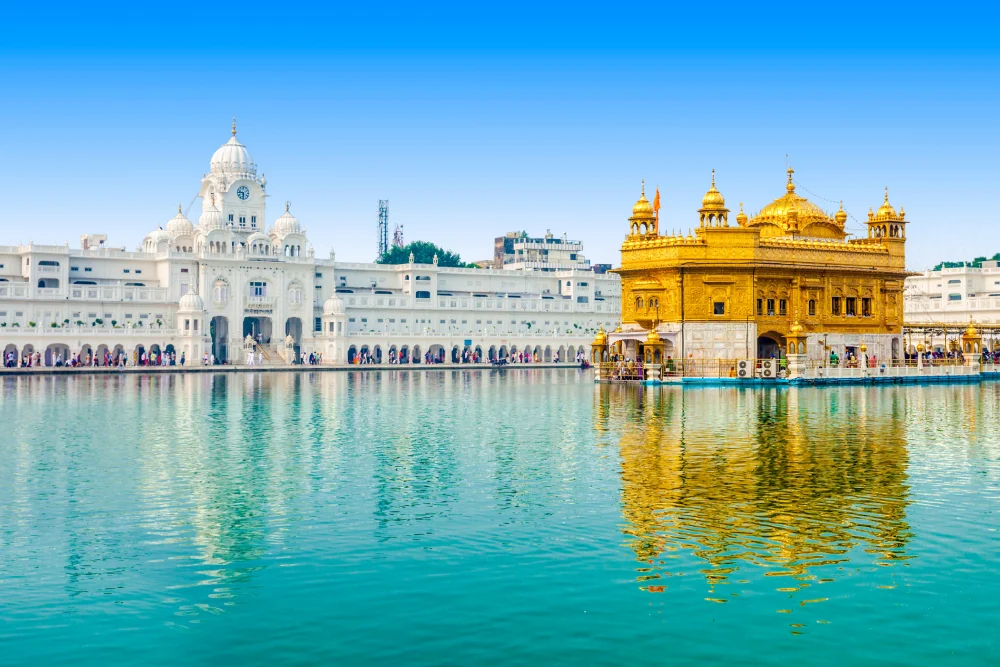
Our planet is dotted with sanctuaries where nature, human architecture, and divine longing meet. Each carries a distinct sensory and spiritual atmosphere.
                  [ JERUSALEM ]
           Ancient Stone & Shared Roots
                        │
         ┌──────────────┴──────────────┐
         ▼                             ▼
  [ VARANASI ]                  [ BODH GAYA ]
Sacred Waters & Fire          Quiet Leaf & Canopy
         │                             │
         ▼                             ▼
[ MECCA & VATICAN ]           [ GOLDEN TEMPLE ]
  Ocean of Devotion             Radical Hospitality
1. Jerusalem: The Golden Crossroads of Faith
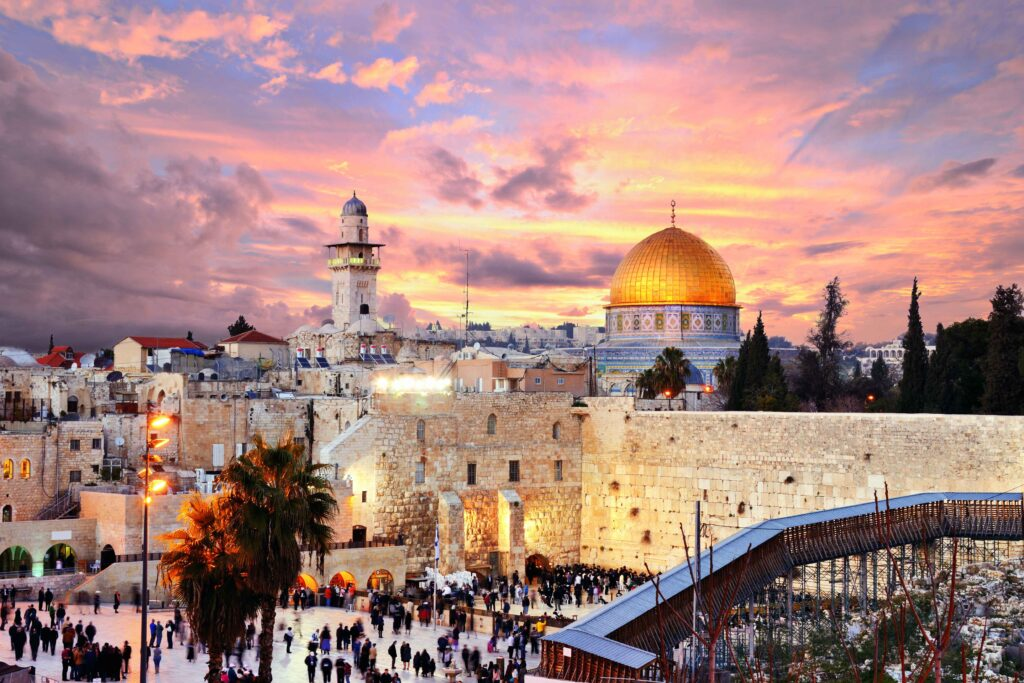
Walking the narrow, sun-dappled limestone alleys of Jerusalem feels like stepping directly into the pages of human memory. Here, the olive trees on the Mount of Olives sway softly in the Mediterranean breeze, holding space for Christianity, Judaism, and Islam all at once. To hear the shofar blow, the church bells chime, and the adhan echo across the rooftops simultaneously is a humbling reminder of our shared human quest for light.
2. Varanasi, India: The Sacred Flow of Life
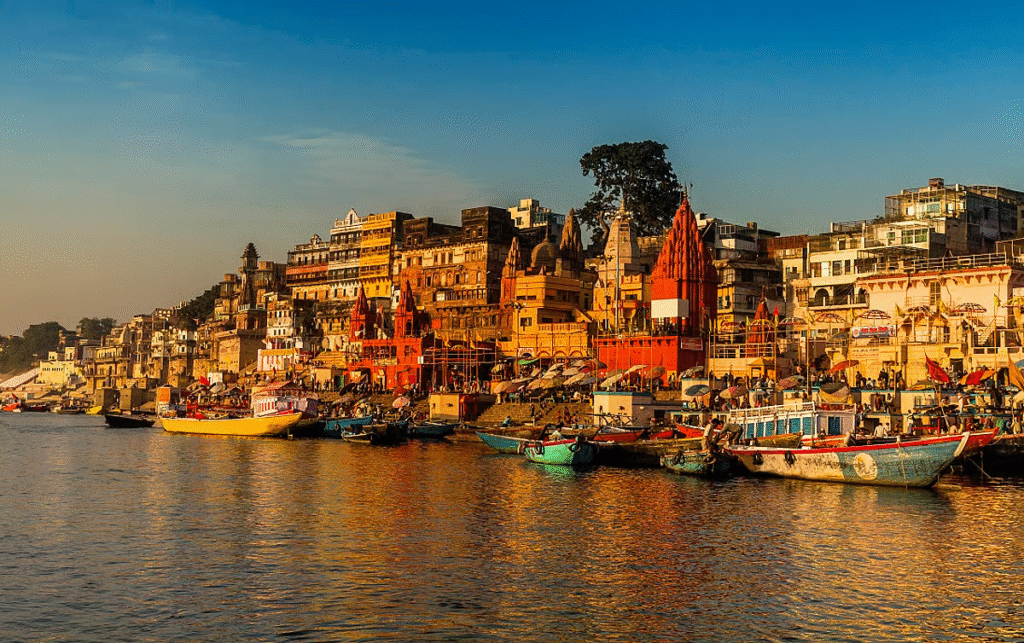
Stretching along the wide, muddy curve of the Ganges River, Varanasi is a raw, breathtaking confrontation with the cycle of existence. Pilgrims stand hip-deep in the cool river waters at sunrise, offering prayers to the morning sun as river mist floats across the surface. The scent of woodsmoke, marigolds, and incense fills the air, weaving a sensory tapestry that stays with you forever.
3. Bodh Gaya, India: The Quiet Shelter of the Tree
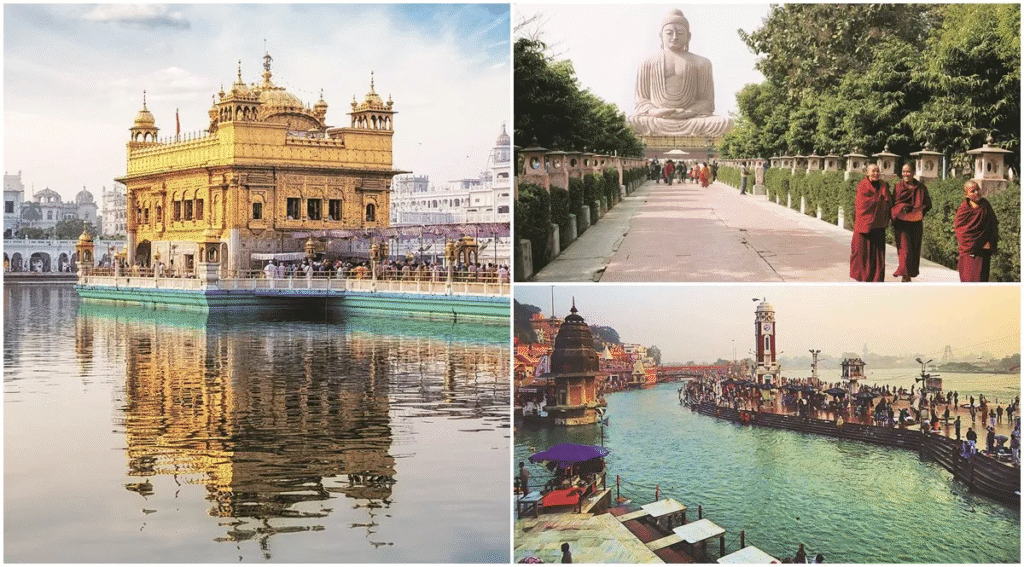
In the peaceful plains of Bihar, beneath the sprawling canopy of the sacred Bodhi Tree, sits the spot where Siddhartha Gautama attained enlightenment. As the wind rustles through the heart-shaped leaves, monks in saffron and maroon robes sit in quiet meditation. The natural silence here is palpable—a gentle medicine for an overworked mind.
4. The Golden Temple, Amritsar: The Heart of Universal Welcome
Shimmering in the middle of a tranquil pool of holy water, the Harmandir Sahib (Golden Temple) is the spiritual heart of Sikhism. Its four doors open in all four cardinal directions, signifying an absolute, warm welcome to every human being regardless of background. Here, the act of spiritual travel is expressed through radical hospitality: thousands of volunteers cook, clean, and feed tens of thousands of strangers every single day for free.
Preparing the Vessel: Mind, Body, and Spirit
Preparing for a spiritual journey requires a different kind of packing list. You aren’t just packing gear; you are clearing mental space.
1. Cultivate Unhurried Curiosity
Before you leave home, spend time reading not just the logistical facts, but the poetic stories and spiritual heritage of your destination. Ask yourself: What am I hoping to leave behind on this road? What am I hoping to find?
2. Pack Light, Walk Gentle
There is a profound psychological liberation in carrying only what you truly need. Excess baggage quickly becomes a physical burden that distracts your mind from the surroundings.
- Sturdy, worn-in footwear: Your feet are your primary connection to the earth; care for them well.
- Modest, breathable clothing: Respect local cultural boundaries while staying comfortable in changing weather.
- A simple paper journal: A place to write down your thoughts, messy reflections, and fleeting moments of insight before they fade.
- A refillable water canteen: Keep your body hydrated while treading lightly on the planet.
Etiquette: Walking with Reverence in Sacred Spaces
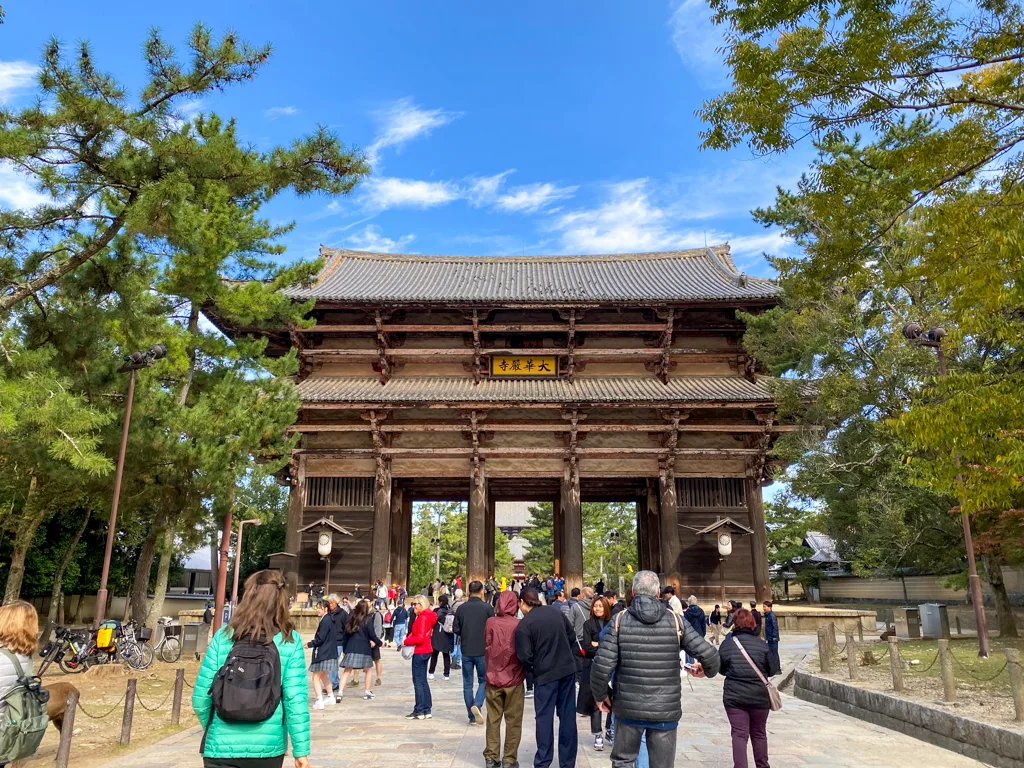
When we visit sacred locations, we are walking into someone else’s spiritual home. Approaching these spaces with deep humility transforms us from intrusive tourists into welcome guests.
- Listen to the Silence: Honor the quiet. Resist the urge to talk loudly or narrate your experience. Allow the natural ambient sounds of the sanctuary—the trickle of water, the flickering of candles, the sigh of the wind—to settle your nervous system.
- Observe Before Acting: Notice how locals move, where they remove their shoes, how they cover their heads, and where they stand. Mirror their respect.
- Put the Camera Down: In our hyper-visual age, we often instinctively reach for our phones to capture a moment instead of actually living it. Try sitting for twenty minutes with your hands empty, simply drinking in the scene through your eyes and heart.
The Footprint of the Pilgrim: Responsible Tourism
True spirituality cannot be separated from how we treat the earth and the local communities that host us. As faith-based travel grows, we must ensure that our footprints do not erode the very beauty we came to find.
- Protect the Natural Sanctuary: Whether walking a mountain trail in Spain or sitting along a riverbank in India, leave zero trace. Treat the soil, streams, and wildlife as integral parts of the holy ground.
- Sustain the Local Economy: Eat at small, family-owned eateries along the trail. Purchase handmade crafts directly from local artisans rather than mass-produced souvenirs. Your financial support helps keep these communities and their traditions alive.
Bringing the Sacred Road Back Home
The real test of any pilgrimage doesn’t happen while you are on the trail. It happens three weeks after you return home, when you are standing in line at the grocery store or sitting in Monday morning traffic.
Did the quiet stillness of the ancient forest follow you back into your living room? Did watching strangers share bread at a communal table make you a little more generous with your neighbors?
Faith-based travel is ultimately an investment in your human capacity to love, listen, and understand. The road changes your stride, the silence settles your thoughts, and the people you meet expand your understanding of the human condition. Long after the dust is brushed off your boots, the journey lives on within you—a quiet, steady compass guiding you through the landscape of everyday life.
Frequently Asked Questions
1. Do I need to be religious for this?
Not at all. Anyone can seek quiet, peace, or history—sacred spaces welcome curious hearts, regardless of what you believe.
2. How is a pilgrimage different from a vacation?
Vacations help you escape life; pilgrimages help you understand it. It’s less about sightseeing and more about inner growth.
3. What if I can’t afford a big trip?
You don’t need a plane ticket. A quiet walk in a local park or an hour in a nearby chapel can be just as powerful.
4. How do I pick the right destination?
Listen to what you need. Choose silent nature trails to clear a noisy head, or ancient sacred cities to spark inspiration.
5. How do I keep that peace when I return home?
Bring the trail home with you. A quiet morning coffee without your phone or a short evening walk keeps that stillness alive.