
Remember when social media was basically a space to upload a blurry camera-phone photo, post what you ate for lunch, and wait for a handful of friends to leave a comment?
Those days feel like ancient digital history.
Today, social media is deeply woven into how we discover products, talk with friends, watch entertainment, learn new skills, follow real-time news, build entire businesses, and decide what to buy. The underlying tech is moving just as fast. What looks like a simple vertical feed on your screen is powered by advanced recommendation engines, generative artificial intelligence, multi-modal search algorithms, integrated digital commerce platforms, and creator-focused production tools.
Here is the twist: social media isn’t just evolving because technology is getting better. Social media itself is actively changing how humanity uses technology.
Think about everyday habits. Billions of people now search social apps for local restaurants instead of opening a traditional search engine. Someone might discover a new skincare product in a 15-second clip, ask an AI assistant inside the app to check the ingredient list, buy the item without ever leaving the feed, and then post a video review the day it arrives.
That is a total shift from the static networking sites of a decade ago.
Let’s unpack the 10 social media trends driving this transformation, how they are altering our digital habits, and what they mean for creators, consumers, and businesses.
1. AI Is Becoming Part of Everyday Social Media
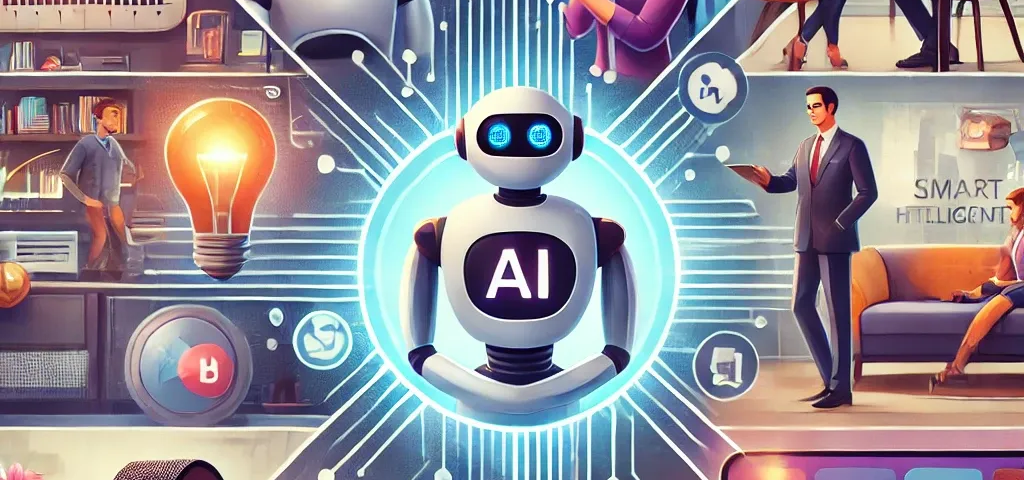
Artificial intelligence has stepped out from behind the scenes and moved straight into the user interface.
AI no longer just sorts your feed; it helps write captions, auto-generates transcripts, cleans up audio, applies visual effects, translates posts into dozens of languages in real time, and powers conversational assistants right inside your direct messages.
For everyday users, this translates to hyper-personalized digital spaces. Instead of seeing broad content targeted at a vague demographic, your feed continuously adapts to your exact micro-behaviors.
For creators, AI has flattened the learning curve. Tasks that once required a dedicated production team can now be handled on a single device:
- Scripting & Brainstorming: Outlining video concepts and draft hooks instantly.
- Audio Cleanup: Removing ambient noise, echoes, and stutters with a single tap.
- Localization: Automatically dubbing speech into different languages while matching the speaker’s original voice tone.
- Automated Editing: Auto-cropping video aspect ratios and identifying peak moments in raw footage.
This democratizes creation. You don’t need a high-end camera studio or an editing suite anymore—a smartphone combined with intelligent software gets the job done.
2. Short-Form Video Continues to Shape Digital Habits
Short-form vertical video has fundamentally altered attention spans and information design. Consuming dozens of 30-second clips in a single sitting has become a standard media diet for billions.
The format thrives because it minimizes friction: it delivers quick payoffs, easy sharing, and rapid algorithmic discovery. While it began as lighthearted entertainment, it has expanded into every major category:
| Category | How Short-Form Video Transformed It |
| Education & Learning | Complex ideas, historical events, and scientific concepts broken down into bite-sized visual explainers. |
| Commerce & Products | Authentic, unpolished video demonstrations replacing traditional, glossy TV advertisements. |
| News & Current Events | On-the-ground reporting and real-time updates delivered faster than legacy media broadcasts. |
| Culinary & DIY | Fast-paced, top-down recipe guides and step-by-step home improvement tutorials. |
The main trade-off? Depth. Complex topics do not always fit neatly into a minute-long clip, making critical thinking and source-checking essential for viewers.
3. Social Media Is Becoming a Primary Search Engine
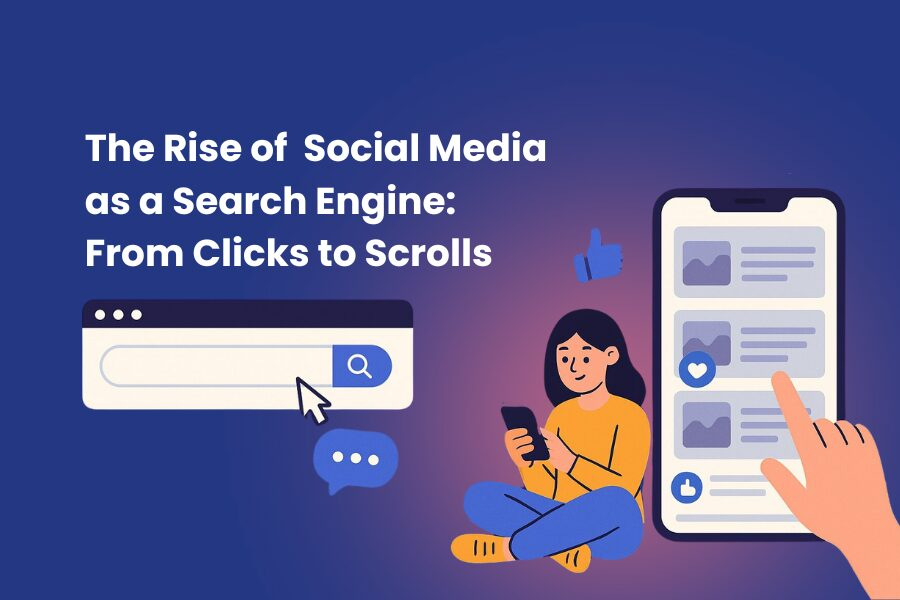
Searching for information is no longer the exclusive domain of classic search engines. Younger demographics regularly treat social platforms as their primary search bar for real-world decisions.
When people look for a place to eat, a holiday destination, or a tech product, they want raw visual proof from real humans rather than optimized, text-heavy web articles:
Traditional Search: Query -> Text Articles -> Static Images -> Decision
Social Search: Query -> Short Videos -> Real-time Reviews -> Community Comments -> Decision
Social search lets you see what a dish actually looks like, how crowded a venue is right now, how a shirt fits on a specific body type, or whether a laptop suffers from thermal throttling. This forces businesses to optimize for visual social search (social SEO) alongside traditional web indexing.
4. Social Commerce Is Blending Content With Shopping
The friction between seeing an item online and actually buying it is disappearing. Social commerce merges the discovery phase directly with checkout.
You can watch an authentic video review, tap a tagged product tag, read verified customer reviews, select your size, and complete your purchase via saved digital wallets—all without leaving the application.
[ Discover Content ] ──> [ Tap Product Tag ] ──> [ In-App Checkout ] ──> [ Return to Feed ]
Because creators demonstrate items in real-world conditions, recommendations feel like advice from a friend rather than a corporate sales pitch. However, this seamless buying process requires consumer discipline. Impulsive buying is easier when purchasing takes only two taps, making it important to double-check pricing, return terms, and merchant legitimacy before hitting buy.
5. Creators Are Becoming Digital Micro-Businesses

The concept of a “social media creator” has matured. Creators are no longer just posting hobbies—they are operating lean, agile media companies.
Modern creators diversify their income across multiple tech-enabled streams:
- Direct Commerce: Launching physical merchandise or digital products (e.g., templates, guides).
- Community Subscriptions: Offering exclusive content, private chats, and early access via recurring monthly memberships.
- Affiliate & Brand Hubs: Earning commissions via trackable product links embedded directly into feeds and bio links.
- Live Monetization: Monetizing live streams through virtual gifting, paid Q&A sessions, and real-time auctions.
While the software barrier to entry has never been lower, the competition for attention has never been higher. To stand out, creators rely on genuine audience trust, unique perspectives, and consistent community interaction rather than high production budgets alone.
6. Platforms Are Moving From Passive Viewing to Active Participation
Social feeds used to be a one-way broadcast: a creator posted, and the audience passively watched or dropped a static “like.” Modern platforms are built for two-way interaction.
Features like interactive polls, collaborative posts, audio rooms, real-time comment overlays, and video remixes allow audiences to actively shape the content they consume. Live streaming demonstrates this best—viewers can directly ask questions, influence what a creator does next, and steer conversations in real time. Entertainment is shifting from something you watch to something you participate in.
7. Private Messaging Is Becoming the Core Social Network

While public feeds still pull in massive view counts, a significant amount of actual human connection has migrated into private messaging channels.
Many users are stepping back from broadcasting every aspect of their personal lives on public feeds. Instead, they use social apps primarily as private communication networks:
- Micro-Communities: Group chats where friends share vertical videos, news clips, and personal updates.
- Direct Recommendations: Asking friends in direct messages for product or travel advice instead of posting publicly.
- Direct Business Support: Messaging brands directly for quick customer service responses rather than calling phone lines or writing formal emails.
Platforms are reacting by building robust private infrastructure—adding end-to-end encryption, advanced group controls, voice notes, and dedicated brand messaging hubs.
8. Augmented Reality (AR) Is Enhancing Everyday Experiences
Augmented reality has evolved far beyond novelty face filters. Today, AR serves as a practical bridge between the physical world and digital commerce.
Brands and creators use AR tools to offer interactive “try-before-you-buy” experiences directly inside feeds:
AR Application Uses
• Virtual Cosmetics : Real-time skin tone matching
• Digital Eye wear : Instant scale and frame preview
• Spatial Furniture : Dropping 3D furniture into your room
• Virtual Apparel : Visualizing fit, drape, and styling
By allowing users to visualize physical objects inside their own living environments, AR reduces return rates and transforms passive browsing into an immersive spatial experience.
9. Personalization Algorithms Are Creating Hyper-Niche Feeds
No two people see the same social media feed. Advanced recommendation engines process thousands of subtle signals—watch time, replay loops, swipe speeds, search queries, and comment interactions—to curate a bespoke content stream.
This level of personalization keeps feeds incredibly relevant:
- If you enjoy specialty coffee, your feed naturally surfaced home-espresso techniques and bean origin guides.
- If you are learning an instrument, your feed prioritizes practical music theory and gear breakdowns.
The trade-off is the risk of “filter bubbles.” When an algorithm gives you exactly what you engage with most, it can insulate you from broader perspectives. Consciously seeking out diverse topics and varying your digital habits helps keep your online experience broad and balanced.
10. Privacy, Security, and Digital Safety Are Essential Skills
As social networks integrate deeper into our finances, location data, and daily communications, digital security has become a core life skill.
Modern threats are increasingly sophisticated. AI-generated visual spoofs, voice cloning scams, account impersonation, and phishing links buried in direct messages require users to maintain strong digital hygiene:
Essential Digital Safety Checklist
[✓] Enable Multi-Factor Authentication (MFA)
[✓] Audit App Permissions & Location Sharing
[✓] Verify Unsolicited Requests via 2nd Channel
[✓] Use Unique Passwords via Password Managers
[✓] Set Personal Profiles to Private / Friends
Staying safe isn’t about avoiding social media—it’s about staying aware, questioning suspicious requests, and securing your personal accounts.
How Businesses Must Adapt to the Shift
For businesses, the traditional digital playbook centered on polished, broadcast-style ads is losing momentum. Audiences respond best to content that feels organic to the platform:
- Prioritize Utility & Value: Share educational tutorials, authentic behind-the-scenes moments, and clear product breakdowns rather than hard-sell pitches.
- Partner With Micro-Creators: Collaborate with creators who hold genuine trust within specific, highly engaged niches.
- Optimize for Social SEO: Structure video descriptions, spoken audio, and text overlays so your posts show up when users search inside apps.
- Streamline Support via DMs: Treat direct messaging like a real-time customer support floor.
The Human Element Behind the Screen

It is easy to focus entirely on the technology—the algorithms, the machine learning models, and the code. But social media remains fundamentally human.
Technology dictates how content moves across networks, but human beings decide what to share, who to trust, what to buy, and how to connect. High-tech automation can deliver a video to your screen in milliseconds, but it takes human relatability and storytelling to make you care.
As social networks continue to evolve into all-in-one platforms for communication, search, entertainment, and shopping, the goal isn’t to jump on every passing trend. It is to use these digital tools intentionally—ensuring they save us time, connect us with people we care about, and expand our access to useful information.
FAQ’S
What’s the single biggest way social media is replacing traditional tech?
Instead of using separate apps, people now search for news, shop for products, and chat with AI directly inside their daily social feeds.
Is AI completely replacing human content creators on these platforms?
Not at all—creators are just using AI to speed up editing and script ideas so they can focus on authentic storytelling.
Why are younger people using social apps as their primary search engine?
They prefer seeing quick, unedited video reviews from real humans over reading long, ad-heavy text articles on regular search engines.
How safe is it to buy products directly through social media posts?
In-app checkout is very secure, but you should always double-check seller reviews and return policies before making a fast purchase.
Will public posts disappear now that private messaging is growing so fast?
Public feeds will remain great for discovering broad entertainment, while private messaging will continue to be where real, close conversations happen.
10 Social Media Trends Changing How We Use Technology
Remember when social media was basically a space to upload a blurry camera-phone photo, post…

Nayi Naveli Teaser Out: All About Yami Gautam’s New Horror-Comedy Movie
If you thought you’d seen every possible spin on the Indian wedding story, think again….

Haiwaan Movie 2026: Everything You Need to Know About Akshay Kumar and Saif Ali Khan’s Thriller
If you keep a casual eye on mainstream Hindi releases, it is hard not to…

A Mosquito in the Ear: Everything You Need to Know About the 2026 Movie
Most films don’t just arrive in your local theater—they practically crash through your front door….

Vishwanath & Sons OTT Release Date on Netflix: Everything You Need to Know
If you missed Vishwanath & Sons during its theatrical run or simply want to catch…

The Revolutionaries OTT Release Date, Prime Video, Cast, Story and How to Watch
There are plenty of period dramas centered around India’s freedom struggle, but every once in…