
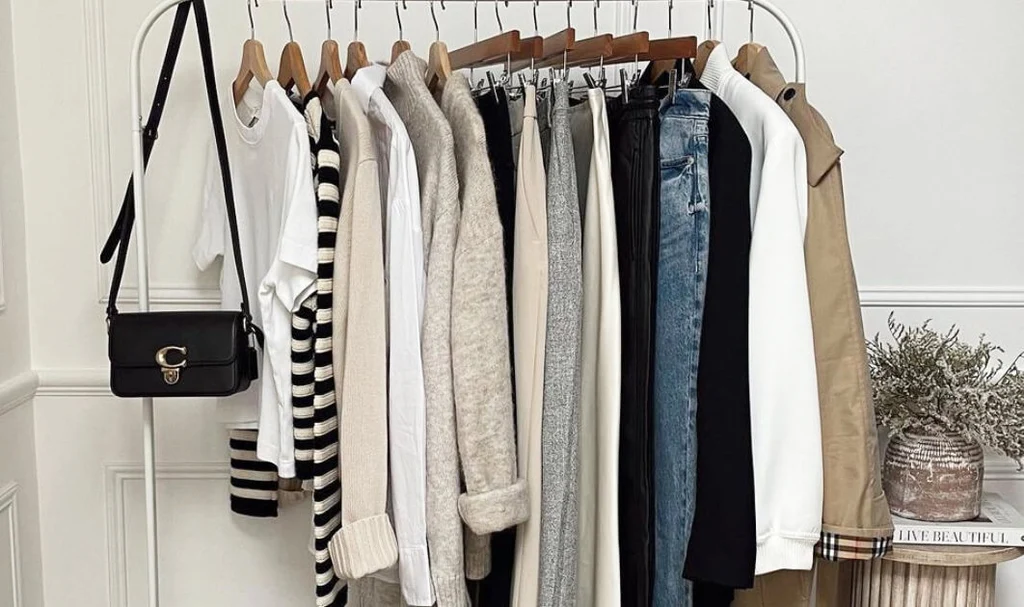
Here is a reworked, deeply human, and personal take on building a wardrobe that actually serves your real life—written like advice from a thoughtful friend, minus the bulleted listicle feel.
Let’s be honest: most of us have stood in front of a closet crammed full of clothes and thought, “I have literally nothing to wear.”
It feels ridiculous, but it’s completely normal. For years, we’ve been fed this relentless idea that we need a brand-new outfit for every event, every season, and every shift in our mood. We buy things on impulse because they looked amazing on a mannequin, or because they were on sale, or because we secretly hoped buying that crisp linen blazer would magically transform us into the kind of person who drinks green juice and never runs late.
But when you strip all that away, a great minimalist wardrobe isn’t about hitting some arbitrary number of clothes or wearing the exact same grey T-shirt like a tech founder. It’s about making your mornings easier, feeling like yourself when you walk out the door, and making peace with what’s in your closet.
If you’re ready to simplify, here is how to actually build a closet that works in real life.
Stop Apologizing for Being an Outfit Repeater
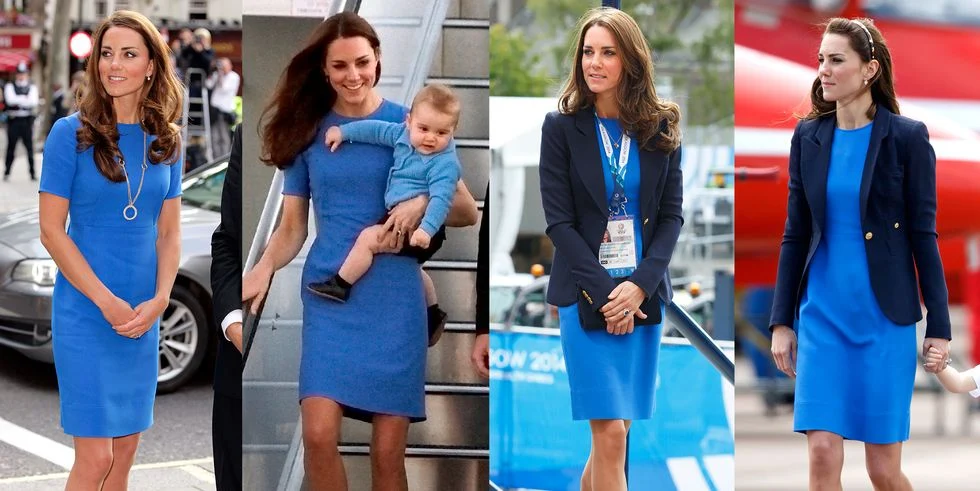
Somewhere along the line, fast fashion convinced us that wearing the same thing twice in one month was a fashion tragedy. That’s nonsense.
Look at anyone whose style you admire—they almost always have a personal wardrobe uniform. They know what works on them, and they stick to it. Figure out two or three base formulas that make you feel instantly pulled together. Maybe it’s a great pair of straight-leg jeans with a slightly oversized button-down, or an effortless throw-on dress with a denim jacket.
When you find combinations that work, wear them over and over. Repeating an outfit isn’t a lack of creativity; it’s a signature look.
Buy for the Body and Life You Have Today
This is the hardest part for most of us: letting go of the clothes that belong to a past version of ourselves.
Maybe it’s the corporate attire from a job you no longer have, the jeans from three sizes ago, or the dramatic vintage dress you bought thinking you’d go to more cocktail parties. Keeping clothes that don’t fit your current body or your actual daily schedule just generates a quiet, background hum of minimalist wardrobe guilt every time you open the closet door.
Your clothes are meant to serve you, not shame you. Your identity and your memories aren’t stored in the fabric of an old outfit. Let go of the “someday” clothes to make space for the life you are living right now.
Appreciate Style Without Needing to Own It
You can look at a dramatic streetwear outfit or a delicate, dry-clean-only silk gown and think, “Wow, that is beautiful.” But that doesn’t mean it belongs in your closet.
Treat styles that don’t fit your daily routine the same way you’d treat art in a museum: admire it, enjoy looking at it on someone else, and leave it right where it is. If an item requires specialized tape, restrictive shapewear, or a trip to the dry cleaner every time you wear it, be honest with yourself—are you actually going to do that work? If the answer is no, pass on it.
Focus on How Fabrics Feel, Not Just How They Look
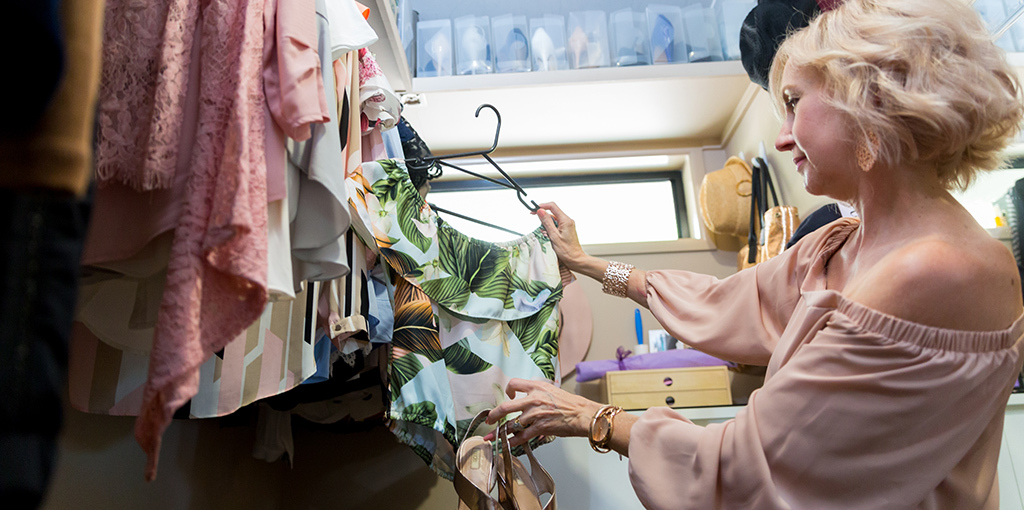
An item can look stunning on the rack, but if the fabric feels itchy, stiff, or makes you sweat the second you step outside, it’s going to live on its hanger forever.
Start paying close attention to what textiles you naturally reach for throughout the day. Natural fibers—like cotton, linen, soft wool, and silk—tend to breathe better, age more gracefully, and feel infinitely nicer against your skin than pure synthetics. When you prioritize physical comfort, getting dressed stops feeling like a minimalist wardrobe compromise.
Respect the Power of a Local Tailor
Off-the-rack clothing is designed for a fictional average body that doesn’t actually exist. That’s why so many clothes feel almost right, but not quite.
Instead of hunting for the impossible “perfect fit” in stores, find a good local tailor. Taking a well-made pair of trousers or a classic jacket and having the hem, waist, or sleeves tweaked by an inch can make a $40 garment look and feel custom-made. It’s the single easiest way to elevate a modest wardrobe.
The Art of the “Cooling-Off” Period

Retailers spend billions of dollars figuring out how to trigger instant impulse purchases. The antidote is surprisingly simple: time.
Whenever you get the sudden, overwhelming urge to buy something online or in a store, force yourself to wait two weeks.
Write it down or leave it in your digital cart, and walk away. Nine times out of ten, the initial urge will fade, and you’ll completely forget about it. If you’re still thinking about it two weeks later—and you can clearly picture three different ways to style it with clothes you already own—then go ahead and consider it.
Keep It All in Perspective
At the end of the day, clothing is just a tool. It’s there to keep you warm, make you feel comfortable, give you a little boost of confidence, and help you move through your day smoothly.
Don’t stress over getting your closet down to 30 items or sticking to a rigid ruleset. Build a closet that clears out the morning clutter, gives you time back, and lets you focus on living your actual life.
Frequently Asked Questions
Q: Do I have to purge my entire closet to start fresh?
A: Definitely not. Just pull out the stuff you naturally reach for every week—that’s your real starting line.
Q: Won’t people judge me for wearing the same outfits all the time?
A: Truthfully, people rarely notice. Repeating great clothes just makes you look like someone who knows their own style.
Q: What should I do when I need something for a one-off event like a wedding?
A: Borrow from a friend or rent it. You’ll save a ton of cash and avoid owning a expensive dress you only wear once.
Q: How do I stop retail therapy when I’m bored or stressed?
A: Give yourself a compulsory two-week pause. If the urge is still strong a fortnight later, only then think about buying.
Q: How can I make budget-friendly clothes actually look expensive?
A: Take them to a neighborhood tailor. Getting the fit tweaked to your body instantly makes inexpensive pieces look custom.