
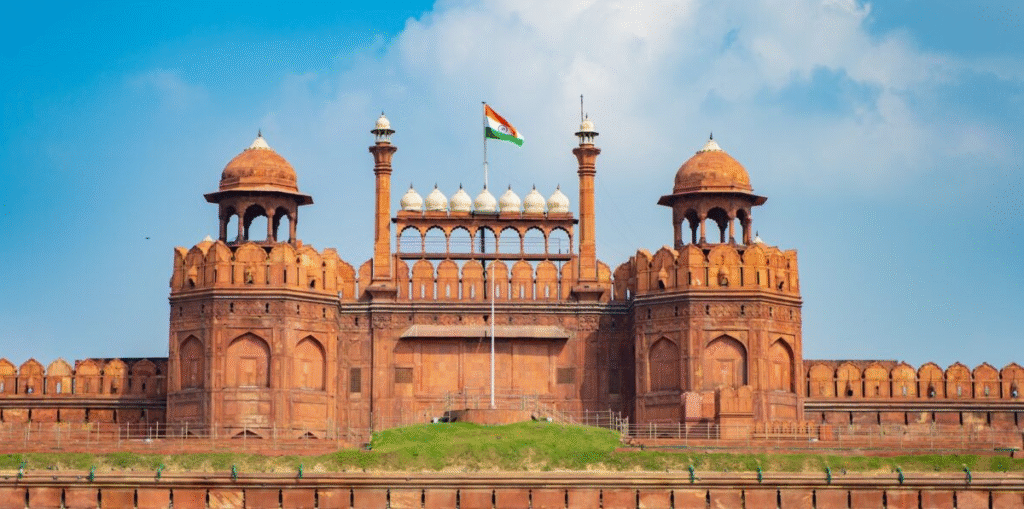
If you want to understand what August 15 actually means in India, you have to throw out the history textbook dates for a moment, step away from the slick television coverage, and just walk outside in the middle of August on Independence Day.
Long before a single politician steps up to a microphone, you feel the shift deep in your chest. It is a sensory change long before it is a political one. You smell it in the heavy monsoon air crashing down onto baking asphalt, releasing that rich, earthy perfume of petrichor. You hear it in the quiet morning streets where tiny paper flags rustle softly out of children’s backpacks, and in that sudden, electric hush that washes over a chaotic market square the exact second the opening notes of Jana Gana Mana crackle out of a corner shop speaker on Independence Day.
For over 1.4 billion people, Independence Day isn’t just an official red-letter holiday or a welcome break from the grinding daily commute. It’s a collective pause. It is a moment where an impossibly diverse, loud, and passionate nation stops, takes a single deep breath together, and honors the raw human journey that brought it here.
1. The Ghosts in the Monsoon: Pain, Courage, and a Tear in the Soil
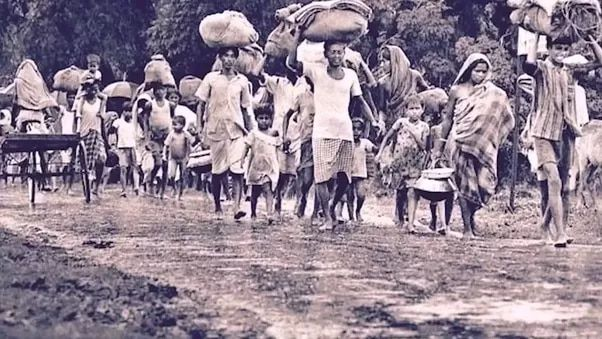
You cannot truly grasp the lump in an Indian citizen’s throat when the national flag unfurls against an August sky without looking closely at the sheer human cost of the soil beneath their feet. Freedom was not an easy gift bestowed by history; it was bought with decades of quiet endurance, relentless sacrifice, and unyielding moral courage.
The Ordinary People Who Silenced an Empire
We often discuss history as if it were sculpted only by famous leaders and monumental political figures. But India’s freedom movement was carried on the everyday shoulders of ordinary human beings who never set out to become historical icons.
It was built by weavers in Bengal and Uttar Pradesh whose handlooms were rendered silent by colonial trade policies, rural farmers whose backs were broken by exorbitant land taxes, and young teenage students who packed away their books to march down dust-choked village roads.
Guided by Mahatma Gandhi’s radical philosophy of non-violence (Ahinsa) and civil disobedience, millions of everyday citizens—homemakers, mill workers, teachers, and shopkeepers—discovered a power within themselves that no colonial authority could crush. They marched toward police lines without lifting a hand in anger, willingly filled overcrowded prisons until the gates couldn’t close, and boycotted foreign goods at great personal expense. They proved to the world that quiet, moral conviction could outlast the vast machinery of a global empire.
“In a gentle way, you can shake the world.”
— A living principle carried out by millions across towns and villages throughout the freedom struggle.
Few people remember that long before August 15, 1947, the dream of self-determination was kept alive through quiet, intimate human pledges. Back in December 1929, activist Hasrat Mohani alongside the Indian National Congress declared Purna Swaraj (Complete Independence). Starting on January 26, 1930, citizens across cities and small villages gathered in low-key assemblies to take an oath of self-reliance and resistance against colonial rule. For sixteen long years, January 26 served as India’s secret, symbolic Independence Day. When official freedom finally arrived in August 1947, that cherished original January date was lovingly preserved, later becoming Republic Day in 1950 to mark the adoption of the Constitution.
Midnight and the Tear in the Map
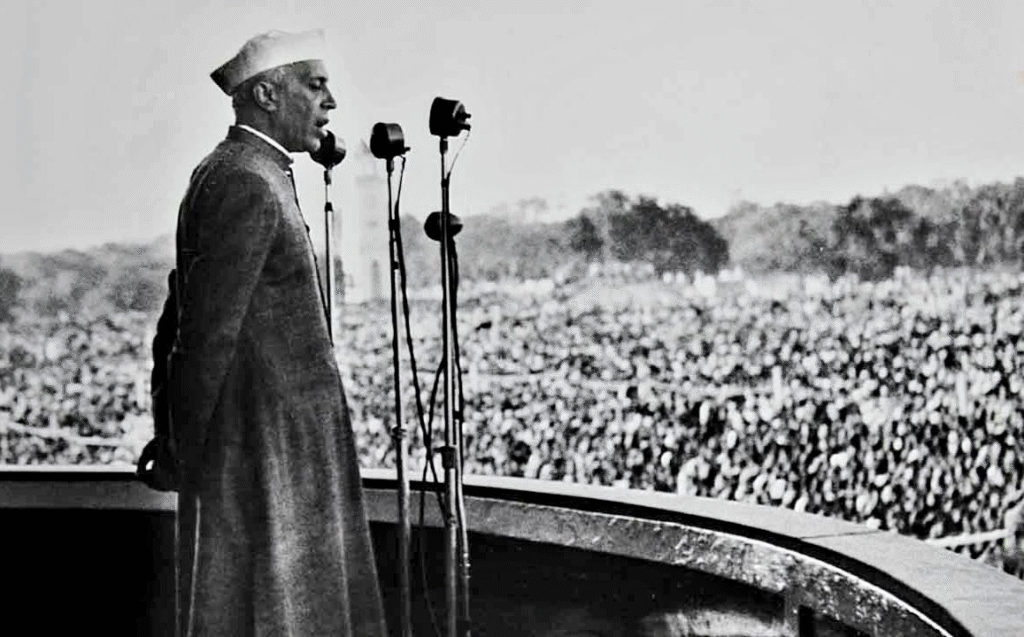
As the clock struck midnight on August 14–15, 1947, legislative authority was officially transferred to the people of India. Standing in New Delhi, India’s first Prime Minister, Jawaharlal Nehru, delivered an address that still gives citizens goosebumps today:
“Long years ago we made a tryst with destiny, and now the time comes when we shall redeem our pledge, not wholly or in full measure, but very substantially. At the stroke of the midnight hour, when the world sleeps, India will awake to life and freedom.”
Yet, that moment of soaring national triumph arrived tangled with immense human heartbreak. The same political act that granted independence partitioned the subcontinent into two separate dominions: India and Pakistan. Overnight, arbitrary lines drawn across paper maps severed ancient communities, split historic provinces like Punjab and Bengal, and turned millions of peaceful neighbors into bewildered refugees.
What followed was one of the largest and most painful human displacements in recorded history. Millions of families were forced to abandon ancestral homes, packing what little they could carry to trek across muddy, dangerous borders on foot while brutal communal violence flared around them.
On the morning of August 15, while celebrations erupted through the decorated streets of New Delhi, Mahatma Gandhi was hundreds of miles away in a humble home in Calcutta (Kolkata). He took no part in the official ceremonies. Instead, he marked the birth of Independence Day with a 24-hour fast, praying and walking among crowds to heal broken communities and restore neighbourly love. That duality—unbridled joy shadowed by profound heartbreak—remains a core chapter in the nation’s collective memory.
2. The Pulse of the State: Rituals That Bind Us Together
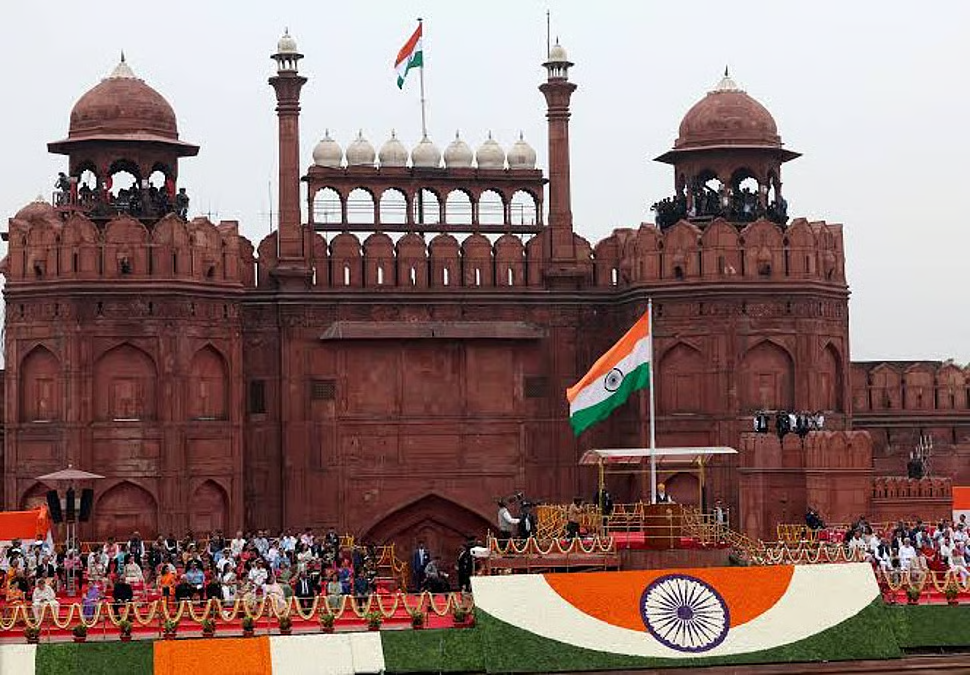
When the morning sun rises on August 15, formal state traditions give structure to these powerful historical memories, offering a solemn space for citizens to stand as one unified body.
The Address on the Eve
August 14, Evening
Families gather around radios and televisions as the President of India delivers the annual Address to the Nation—a moment of quiet reflection honoring freedom fighters, reflecting on democratic values, and setting a vision for the year ahead.
Arrival at the Historic Ramparts
08:30 AM
The Prime Minister arrives at Old Delhi’s red sandstone Red Fort, received by defense leadership before inspecting an impeccable Guard of Honor representing the Army, Navy, Air Force, and Police services.
Unfurling the National Tricolor
10:00 AM
With a pull of a ceremonial cord, the saffron, white, and green national flag unfurls high above the Lahori Gate, scattering a shower of fresh flower petals into the morning breeze.
Anthem, 21-Gun Salute, and the Shehnai
10:05 AM
The national anthem “Jana Gana Mana” echoes across the fort, synchronized with a deep 21-gun artillery salute and the soul-stirring notes of the traditional wind instrument, the shehnai.
Address to the Nation & Youth Parades
10:15 AM
The Prime Minister delivers a televised address from the ramparts reviewing national achievements and civic goals, followed by march-pasts by armed forces and vibrant cultural displays by school youth.
This grand protocol is faithfully mirrored across every state capital in the country on Independence Day. Following a historic policy resolution championed in 1974, Chief Ministers—rather than state Governors—hoist the national flag at regional grounds, inspect local parades, and address their populations. As night falls, government secretariats, ancient city gates, historical bridges, and clock towers across the country are illuminated in glowing saffron, white, and green lights.
3. Where Freedom Really Lives: Classrooms, Sweets, and Rooftops
While official speeches and military parades take place on grand, televised stages, the true heart and soul of Independence Day resides in the small, intimate moments of daily life.
The Magic and Nostalgia of School Celebrations
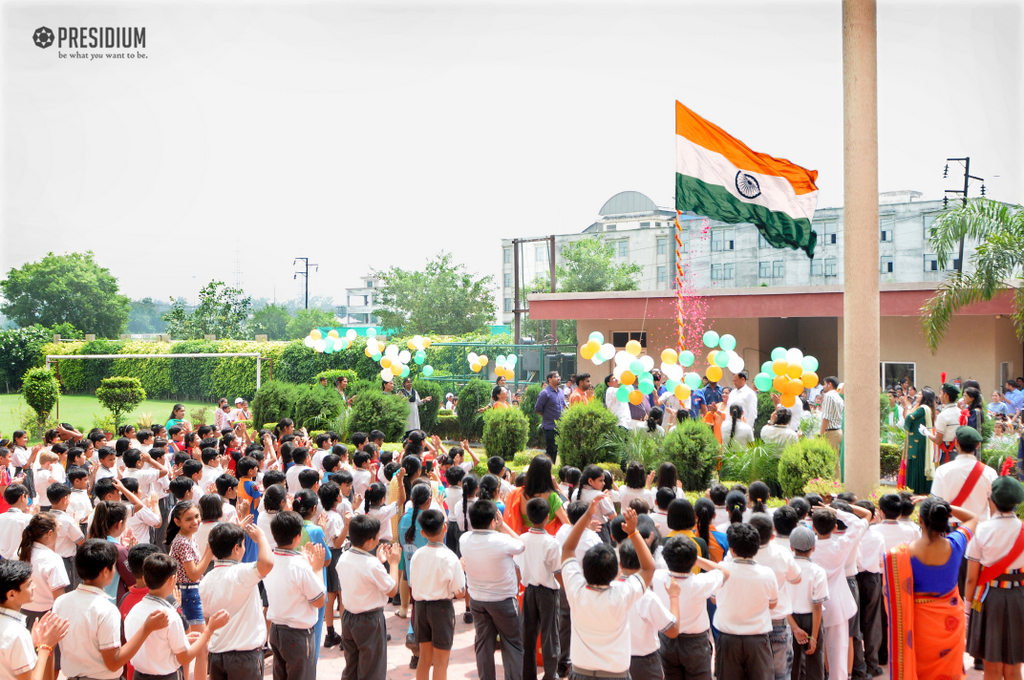
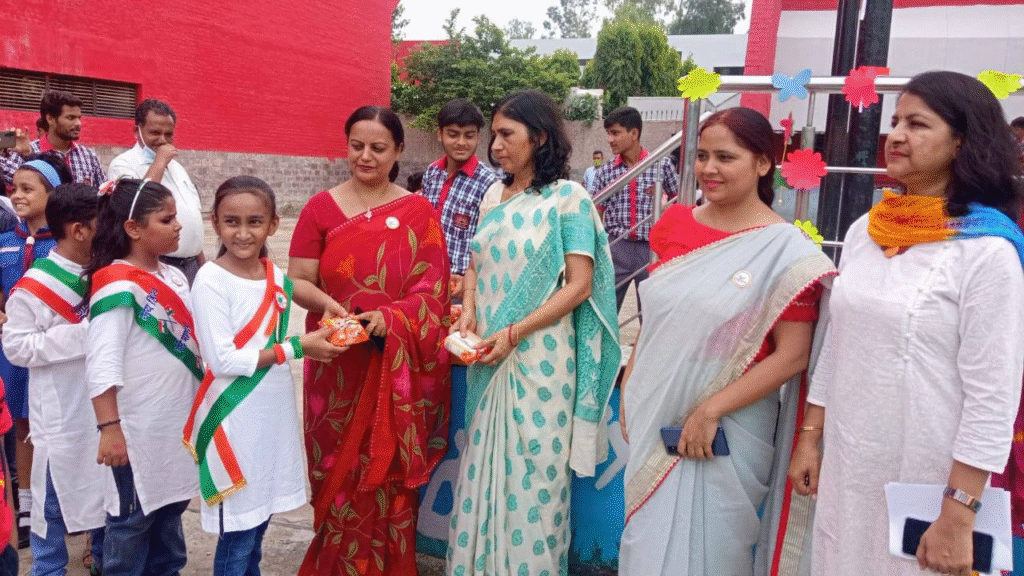
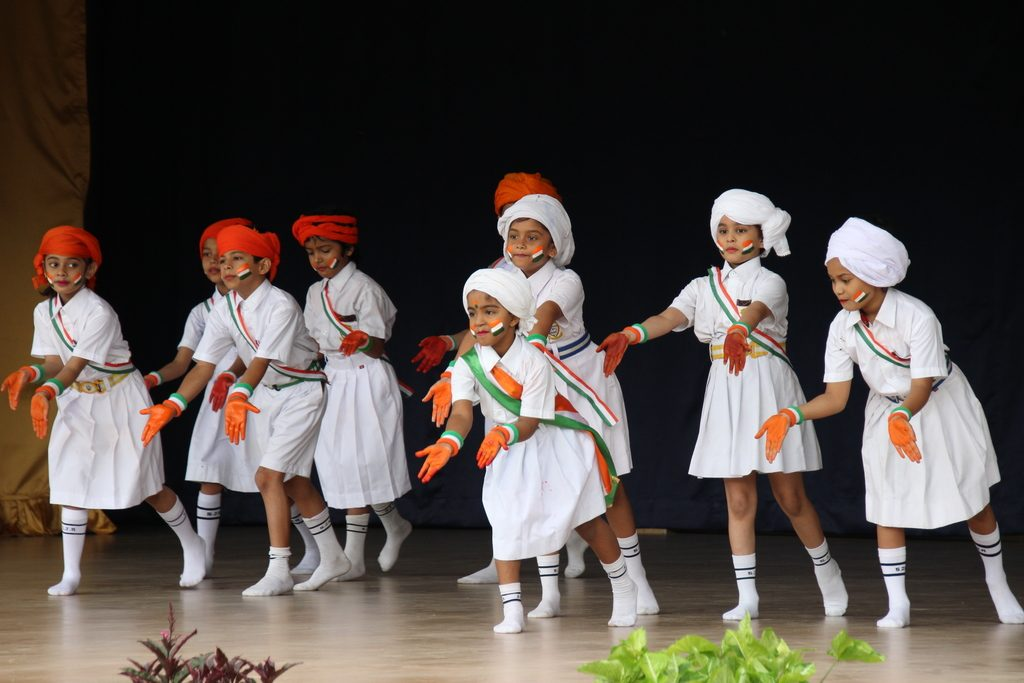
Ask almost any adult in India about Independence Day, and their eyes instantly light up with childhood memories. The day’s magic begins hours before the first official flag is raised:
- Crisp Uniforms and Early Mornings: Waking up while it’s still cool outside, putting on a freshly ironed white uniform, and carefully checking that your small cloth flag is pinned neatly over your heart.
- The Loud, Proud Morning Assembly: Gathering in damp school courtyards under an August sky, watching the principal pull the cord, and lifting your voice alongside hundreds of classmates to sing patriotic songs until the sound echoes off every wall.
- Skits, Songs, and Cultural Dances: Classrooms come alive with student performances—short plays depicting famous historical moments, choral arrangements, and traditional folk dances celebrating regional diversity.
- The Unforgettable Scent of Fresh Sweets: No school celebration is complete without the traditional distribution of sweets. Students wait eagerly in line to receive small paper bags filled with hot, syrupy jalebis or sweet, bright orange laddoos fried fresh right outside the gates.
- Guarding the Small Flag: Children take painstaking care of their pocket tricolors all day, holding a hand over them during recess to ensure the flag never slips or touches the ground—a simple, lasting lesson in civic respect.
A Sea of Paper Wings Against the Monsoon Sky
By the afternoon of August 15, the heart of the celebration moves up to the rooftops. In northern cities like Delhi, Amritsar, Lucknow, and Jaipur, concrete roofs turn into vibrant, open-air neighbourhood hubs on Independence Day.
By mid-day, the cloudy monsoon sky transforms into a dancing canvas filled with thousands of paper kites—saffron, bright green, stark white, and metallic blue soaring against the damp breeze. Old loudspeakers set up on balcony edges play classic melodies while family members—grandparents, parents, children, and neighbors—lean over parapets, shouting encouragement as kite flyers battle string against string (pench).
When a competitor’s line is sliced, triumphant shouts of “Bo-Kata!” ring out across the rooftops. It isn’t about rivalry or winning; it is a timeless, joyful game of skill where looking up at soaring paper wings makes the abstract concept of freedom feel tangible, personal, and completely real.
4. An Ever-Evolving Legacy: Modern Life and the Global Diaspora
As India grows and technology shapes how people communicate, the ways in which citizens observe August 15 continue to adapt while keeping its core meaning completely intact.
Today’s younger generations seamlessly blend historic reverence with modern creativity:
- Digital Expressiveness: Social media platforms light up with creative digital art, video tributes, and acoustic renditions of traditional patriotic songs arranged by young independent musicians.
- Community Initiatives: Neighborhood associations organize early morning walks, local tree-planting drives, and blood donation camps to give back to their immediate communities.
- The Global Diaspora: Millions of Indians living abroad—across North America, Europe, the Middle East, and Southeast Asia—bring the celebration to their adopted homes. Major cities like New York, London, Toronto, and Dubai host vibrant “India Day” parades, filled with regional music, traditional attire, and authentic food, keeping immigrant communities connected to their heritage.
A Living, Breathing Promise
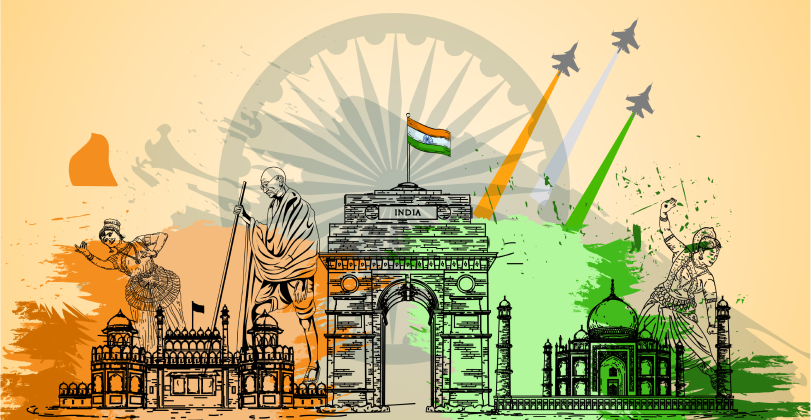
Ultimately, August 15 in India is not an exercise in empty nostalgia or passive historical remembrance. It is a living, breathing promise that is quietly renewed every single summer.
It is a moment to look at your neighbour—who may speak a different language, cook different food, or follow a different faith—and remember that you walk the same soil, share the same history, and carry the same future together. When the saffron, white, and green tricolor catches the damp August breeze on Independence Day, it carries more than just fabric; it carries the quiet memories of those who sacrificed everything so future generations could stand tall, and the living duty of those who carry the nation’s story forward today.
Frequently Asked Questions
1. Why do people fly kites on August 15 in India?
It started as a quiet form of anti-colonial protest back in 1927, but today it’s purely about joy—feeling free under an open monsoon sky with family on the rooftop.
2. Is August 15 celebrated the exact same way all across India?
The core feeling is identical, but every state brings its own flavor—from grand military parades in Delhi to regional folk dances, local feasts, and neighborhood flag hoistings.
3. Why do schools distribute sweets like jalebis and laddoos on this day?
It’s a nostalgic tradition that goes back decades! Sharing traditional orange sweets brings everyone together and leaves kids with a delicious, sweet memory of the celebration.
4. What is the difference between Independence Day and Republic Day?
August 15 marks the day India gained freedom from British rule in 1947, while January 26 marks the day India officially adopted its Constitution in 1950.
5. Why does the Prime Minister hoist the flag at the Red Fort specifically?
The Red Fort was the historic seat of power in Old Delhi, making it the ultimate symbol of sovereignty when Jawaharlal Nehru raised the first flag there in 1947.