

The Internal Revenue Service (IRS) has implemented stricter verification measures that could potentially delay tax refunds for weeks if certain issues are flagged in your return. While the new rule is designed to prevent identity theft and fraudulent refund claims, it may also impact honest taxpayers whose filings contain small errors, mismatched information, or incomplete documentation. If your Social Security number, income details, or tax credits do not match IRS records, your refund could be placed under manual review, causing unexpected delays during peak filing season.
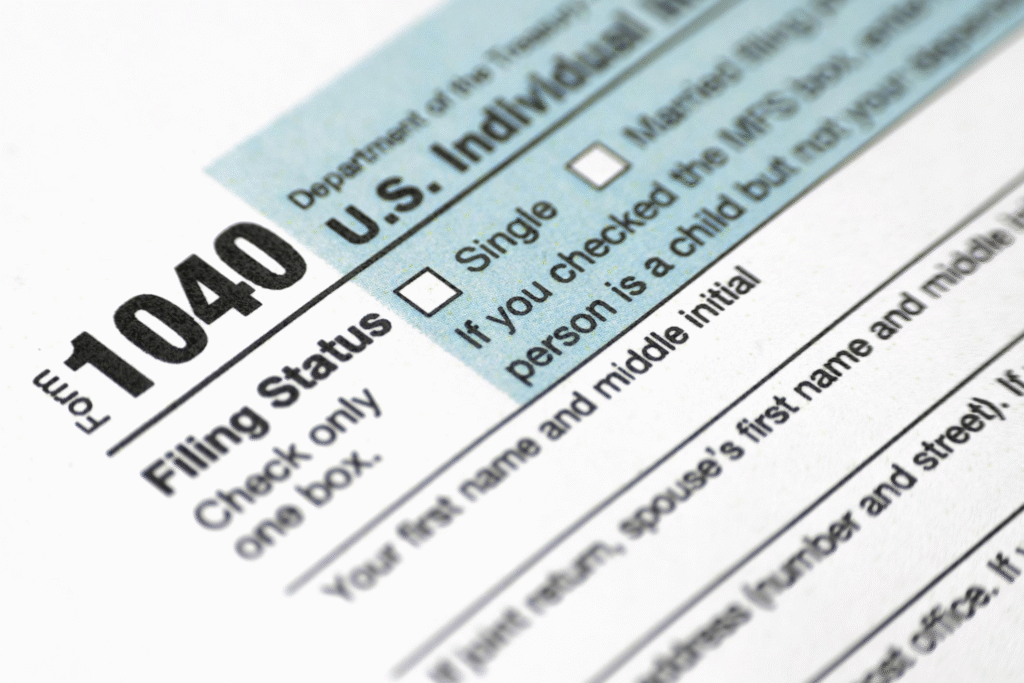
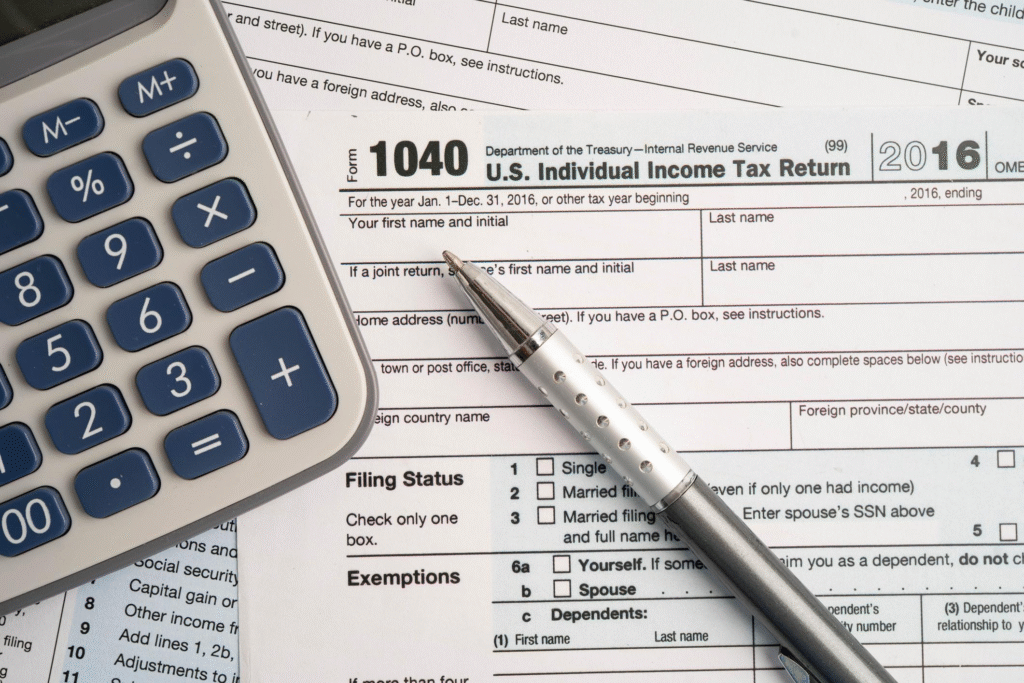
Internal Revenue Service
The Internal Revenue Service (IRS) is the revenue agency of the U.S. federal government, operating under the U.S. Department of the Treasury. It administers and enforces federal tax laws, processes tax returns, collects revenue, issues refunds, and ensures compliance with the Internal Revenue Code. The IRS is central to funding government operations and implementing tax-based policy programs.
Key facts
- Founded: 1862 (as Bureau of Internal Revenue)
- Parent agency: U.S. Department of the Treasury
- Headquarters: Washington, D.C.
- Employees: About 99,000 (2024)
- Acting Commissioner (2025): Scott Bessent
Mission and authority
The IRS’s mission is to help taxpayers understand and meet their tax obligations and to enforce the law with fairness. Its statutory authority derives from Internal Revenue Code Section 7801, which delegates responsibility for internal revenue administration to the Secretary of the Treasury, who operates through the IRS.
Organization and functions
Led by the Commissioner of Internal Revenue, the IRS is organized into divisions serving individuals, small businesses, large and international enterprises, and tax-exempt entities. Major offices include the Taxpayer Advocate Service, Criminal Investigation, and the Independent Office of Appeals. The agency oversees tax return processing, refund distribution, compliance audits, and tax law guidance.
Historical background
Created during the Civil War as the Bureau of Internal Revenue, the agency was renamed the Internal Revenue Service in 1953. It has since evolved into a nationwide system central to U.S. fiscal policy, funding federal programs through income, employment, excise, and other taxes.
Modernization and impact
Recent initiatives under the Inflation Reduction Act have allocated substantial funding for technology modernization, digital tax filing (such as the IRS Direct File pilot), improved taxpayer services, and strengthened enforcement. These reforms aim to build a more efficient, transparent, and equitable tax administration for the American public.
One of the major reasons refunds are being frozen is the increased scrutiny around refundable credits such as the Earned Income Tax Credit (EITC) and Child Tax Credit (CTC). The IRS now cross-checks employer-reported income, bank details, and dependent information more thoroughly than ever before. Even a minor typo in your bank account number or a mismatch between your W-2 form and reported income can trigger an automatic hold. Additionally, returns that appear unusual compared to previous years may also be flagged for further manual verification.
To avoid refund delays, taxpayers should file electronically, double-check all personal information, and ensure that income details exactly match official documents like W-2s and 1099s. Filing early, choosing direct deposit, and responding quickly to any IRS notices can significantly speed up processing. Most importantly, avoid claiming credits you are not fully eligible for, as this greatly increases the risk of a refund freeze.
IRS Refund Delay: Key Points
- Reason for Delay – New IRS rules focus on fraud prevention, identity verification, and checking unusual tax credit claims.
- Common Triggers – Incorrect Social Security numbers, mismatched W-2/1099 income, wrong bank details, claiming ineligible credits.
- Credits Under Extra Scrutiny – Earned Income Tax Credit (EITC) and Child Tax Credit (CTC).
- Processing Time – Delays may last from 2–6 weeks if returns are flagged for manual review.
- Filing Tips – File electronically, double-check all info, claim only eligible credits, respond to IRS notices promptly, and use direct deposit.
- Proactive Step – Filing early reduces the chance of delays during peak season.
Although these enhanced checks may feel inconvenient, they are part of a broader effort to combat tax fraud and protect taxpayers’ identities. Staying accurate, organized, and proactive is the best way to ensure your refund arrives on time and without unnecessary stress.
FAQs
#IRS #TaxRefund #RefundDelay #TaxSeason #EITC #ChildTaxCredit #Carrerbook #Anslation #TaxTips #IdentityVerification #TaxUpdate #FinanceNews #RefundFreeze #FileEarly