
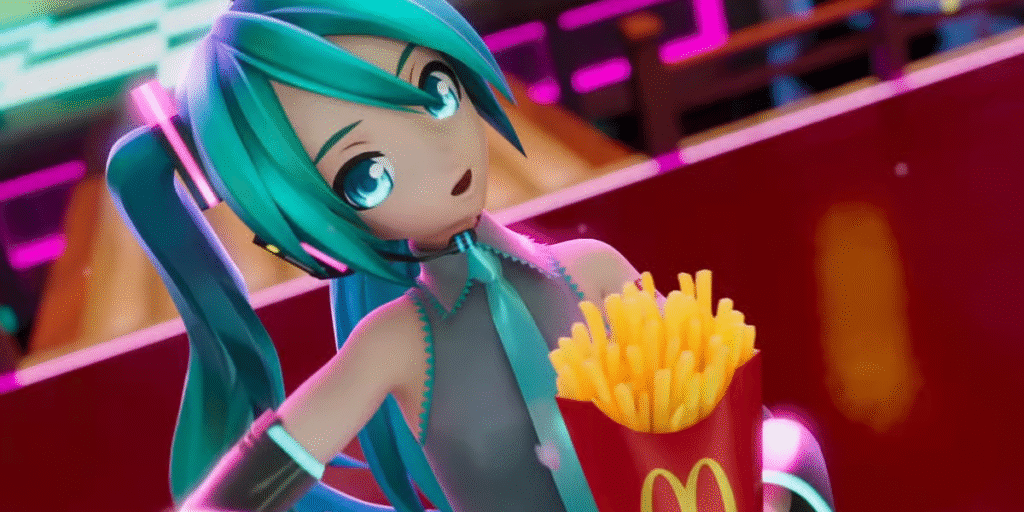
Every year on March 9, fans across the internet celebrate a unique cultural event known as Miku Day. Dedicated to the globally beloved virtual idol Hatsune Miku, this day has grown from a small fan tradition into a worldwide online celebration. Artists, musicians, and anime fans use the occasion to share music, illustrations, videos, and tributes that highlight the creativity inspired by this digital pop star.
What makes Miku Day special is that it isn’t an official holiday created by a government or company. Instead, it is a fan-driven celebration that reflects the passion and creativity of a global community.
Why March 9 Is Known as Miku Day
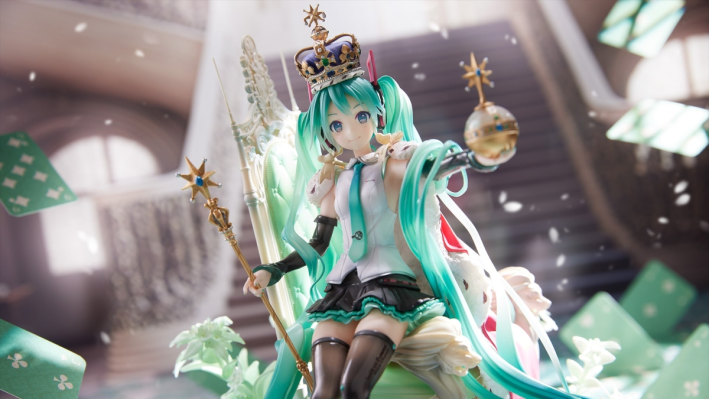
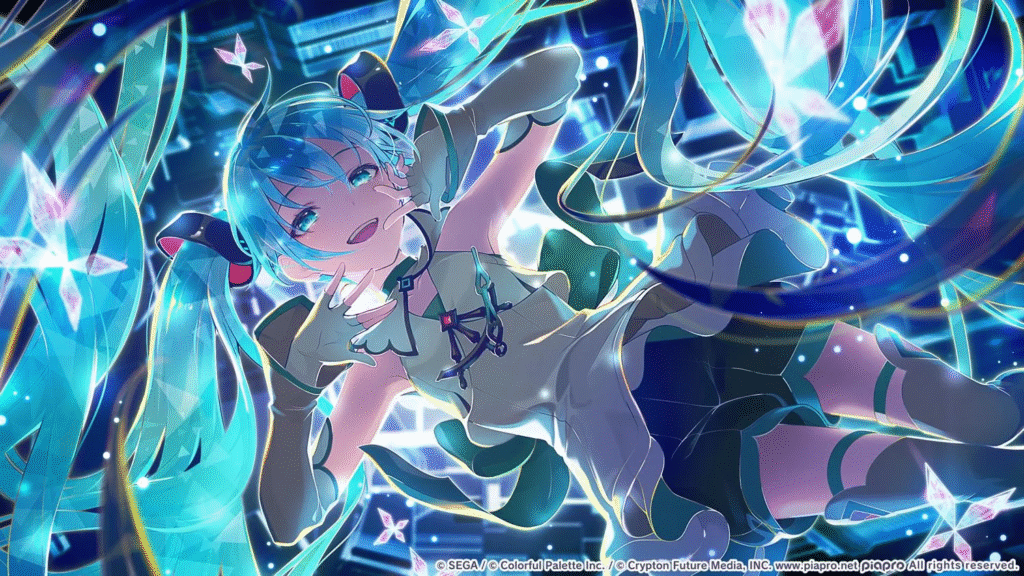

The date March 9 was chosen because of a Japanese wordplay connected to the name Miku. In Japanese pronunciation, the numbers 3 and 9 can be read as “mi” and “ku.” When combined, they sound like “Miku,” which perfectly matches the name of the character.
Because of this clever linguistic connection, fans began celebrating March 9 as a day dedicated to Hatsune Miku. Over time, the tradition spread across social media platforms, fan communities, and anime culture worldwide.
Who Is Hatsune Miku
Hatsune Miku is not a traditional singer. She is a virtual character powered by voice synthesis software developed by Crypton Future Media. Using this software, musicians can create songs using Miku’s digital voice.
Introduced in 2007, Hatsune Miku quickly became a cultural phenomenon. Her signature turquoise twin-tails, futuristic design, and digital voice made her instantly recognizable. More importantly, the open creative platform allowed thousands of independent musicians and artists to contribute to her growing catalog of music and artwork.
This community-driven approach helped Miku evolve into something much bigger than a software product. She became a symbol of collaborative creativity on the internet.
The Role of Vocaloid Technology
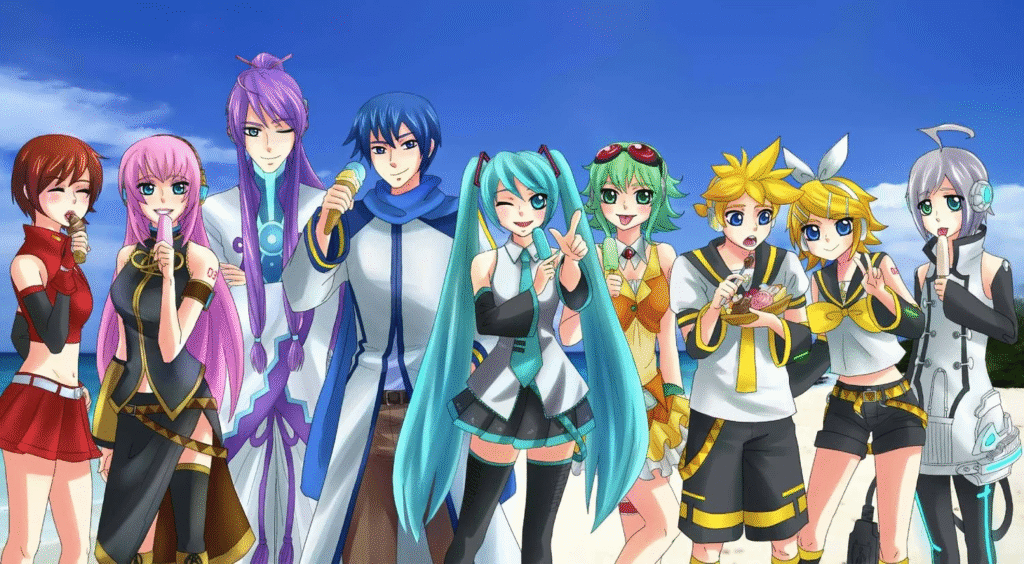
Hatsune Miku was created using the Vocaloid voice synthesis technology. This software allows users to input lyrics and melodies, which are then sung by a digital voice.
For many creators, Vocaloid opened the door to music production without needing a human singer. Independent producers began uploading their songs online, and many of them became viral hits within anime and music communities.
As these songs gained popularity, Hatsune Miku’s influence continued to expand beyond niche internet culture into mainstream media and live performances.
How Fans Celebrate Miku Day

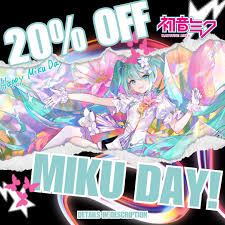
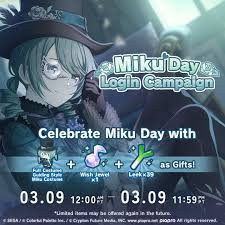
One of the most exciting aspects of Miku Day is how fans celebrate it. Unlike traditional holidays, there is no single official way to participate.
Here are some of the most common ways fans celebrate:
Sharing fan art
Artists often create new illustrations, animations, and digital artwork inspired by Hatsune Miku and share them online.
Posting music tributes
Musicians release new Vocaloid songs or remix classic Miku tracks to mark the occasion.
Social media celebrations
Fans flood platforms with posts, hashtags, and tributes celebrating the virtual idol and her impact on music and internet culture.
Watching concerts and videos
Many fans revisit famous Miku performances and music videos to celebrate the character’s musical journey.
These activities turn Miku Day into a global online festival of creativity.
The Impact of Hatsune Miku on Global Pop Culture
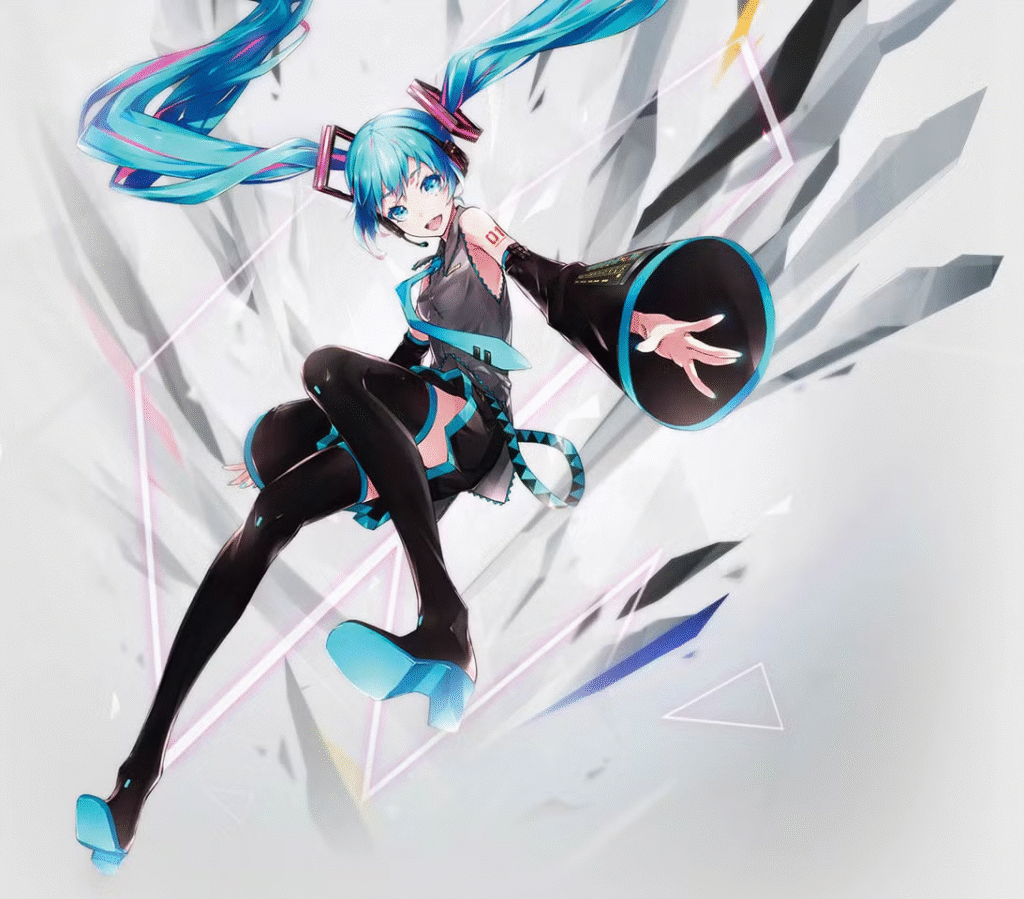
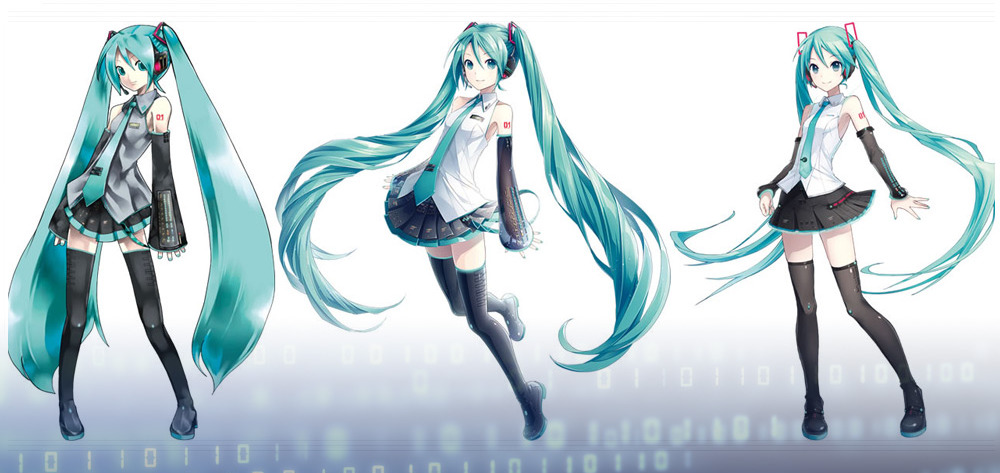
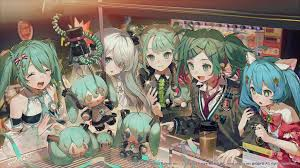
What started as a voice synthesis software quickly transformed into a worldwide cultural icon. Hatsune Miku has appeared in video games, concerts, commercials, and collaborations with major brands.
One of the most remarkable aspects of her popularity is that she performs live concerts using holographic projection technology. Thousands of fans attend these shows to watch a digital character perform alongside real musicians.
Because of this innovative approach, Hatsune Miku has redefined what it means to be a pop star in the digital age.
Why Miku Day Continues to Trend Online
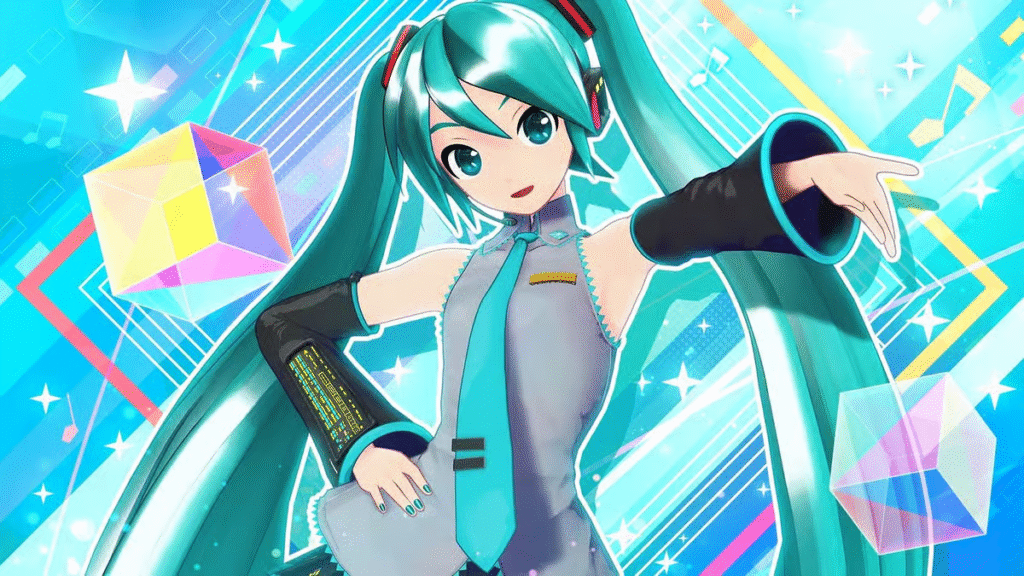
Each year, March 9 sees a surge of posts and fan creations across the internet. The reason is simple: the Hatsune Miku community thrives on participation.
Unlike traditional celebrities, Miku’s identity is shaped by her fans. Producers write her songs, artists design new interpretations of her appearance, and animators bring her to life in countless ways.
This collaborative culture ensures that Miku Day remains fresh and exciting every year, with new creations constantly emerging from the community.
The Future of Miku Day
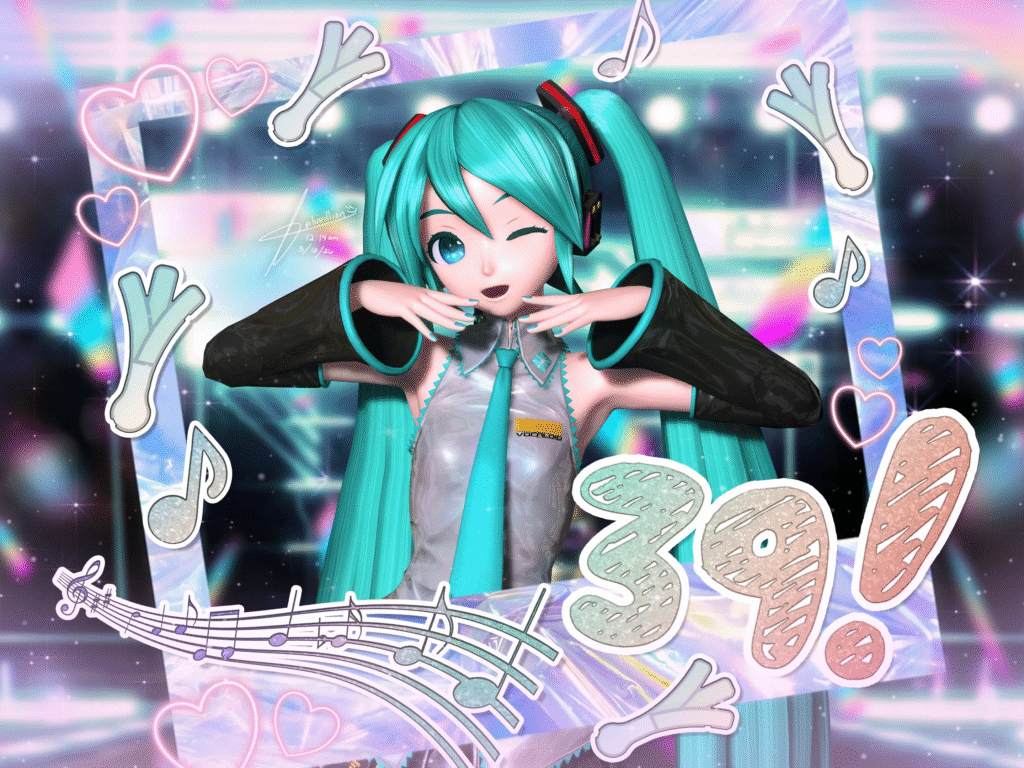
As technology continues to evolve, celebrations of Miku Day are likely to grow even bigger. Virtual concerts, online collaborations, and digital art communities are making it easier for fans around the world to participate.
Hatsune Miku represents a unique intersection of music, technology, and fan creativity. Because of this, the tradition of celebrating Miku Day will likely continue expanding as new generations discover the character and contribute their own creative works.
Final Thought
Miku Day is more than just a fun internet trend. It represents the power of global creativity and the way digital communities can come together to celebrate art and music. The success of Hatsune Miku shows that creativity does not always need traditional boundaries. When technology and community combine, they can create something truly extraordinary.
For fans around the world, March 9 is not just a date on the calendar—it is a celebration of imagination, collaboration, and the ever-
evolving world of digital culture.
What Happened to Stephen Bear? The Full Story Explained
In the world of reality television, few personalities have attracted as much attention and controversy…

Disclaimer
This article is intended for informational purposes only. Details related to events, celebrations, and fan activities may vary across different communities and platforms.
#MikuDay #HatsuneMiku #AnimeCulture #Vocaloid #VirtualIdol #AnimeFans #DigitalMusic #InternetCulture #Anslation #Carrerbook