

Stepping into cybersecurity in 2026 isn’t just about mastering software or memorizing terminal commands—it’s about understanding how human intuition, technical logic, and system behavior interact under pressure. Cybersecurity at its core is a deeply human discipline: systems are built by people, attacked by people, and defended by people. Whether you are pivoting from another career or sharpening your technical edge, this roadmap breaks down the journey into a clear, realistic, and sustainable path.
1. Grounding Your Foundations: The Human & Technical Core

Before touching specialized exploitation toolkits or complex automated scanners, spend time building an intuitive mental model of how networks communicate and how trust breaks down.
Essential Mental Frameworks
- The CIA Triad in Real Life: Confidentiality, Integrity, and Availability aren’t theoretical abstract pillars—they represent practical tradeoffs. If you lock a database down with five layers of multifactor authentication, you protect Confidentiality, but you might ruin Availability for an overworked nurse trying to access patient records in an emergency.
- Threats vs. Vulnerabilities: Think of a vulnerability as a loose deadbolt on your front door. A threat isn’t the lock itself; it’s the burglar walking down the street testing handles. You fix vulnerabilities to eliminate the leverage that threats rely on.
- Authentication vs. Authorization: Authentication asks “Who are you?” (proving identity with a password or hardware key). Authorization asks “Now that we know who you are, what are you actually allowed to touch?”
- Malware Behavior: Stop viewing malware as mysterious “viruses.” Malware is just software written with malicious intent—whether it’s ransomware encrypting files for financial extortion or a stealthy spyware keylogger capturing keystrokes in the background.
- Perimeter Defense: Firewalls and network segments act like castle walls and internal courtyards. If an attacker breaches the outer wall, well-designed internal segmentation prevents them from walking straight into the vault.
- Encryption & Cryptography: Math-backed secrecy. Encryption shields sensitive human conversations and financial records while in transit across untrusted public networks.
Core Daily Technical Skills
| Skill | Real-World Context | Practical Exercise |
| Network Traffic Analysis | You can’t defend what you can’t see. Learning to read packet flows builds fundamental visibility. | Open Wireshark on your home network. Filter for DNS queries (dns) or HTTP GET requests to inspect how data moves. |
| Patch Management | Most real breaches exploit known flaws that were unpatched for months. | Set up an isolated Linux virtual machine. Intentionally install an outdated service, audit its version, and run a controlled update. |
| Identity & Access Control | Over-privileged accounts are a goldmine for attackers. | Create a local user account on your machine. Restrict its file read/write permissions using native access control lists (ACLs). |
| Incident Logging | Logs are the digital breadcrumbs left behind during an investigation. | Read raw system syslog or Windows Event Logs after simulating a failed login attempt. Write a 3-sentence summary describing what happened. |
2. Guided Practical Exercises: Hands-On Muscle Memory
Security concepts only stick when you run into real error messages, syntax bugs, and network timeouts. Guided labs let you fail safely and learn how systems actually react.
Step 1: Password Strength & Hashing (1–2 Hours)
- Objective: Understand how passwords are stored and why weak hashing exposes users.
- Execution: Create a plain text password, convert it into an MD5 and SHA-256 hash using terminal utilities, and research why MD5 is broken. Use Hashcat or John the Ripper to run a wordlist attack against a sample hash. Notice how fast a weak password falls compared to a salted phrase.
Step 2: Traffic Inspection with Wireshark (2–3 Hours)
- Objective: Capture and analyze unencrypted data in transit.
- Execution: Download a sample
.pcapcapture file from an open learning platform like Wireshark’s public sample directory. Follow a TCP stream on an unencrypted HTTP login attempt to locate the plaintext username and password payload. Document where the breach of confidentiality occurred.
Step 3: Web Application Scanning (3–4 Hours)
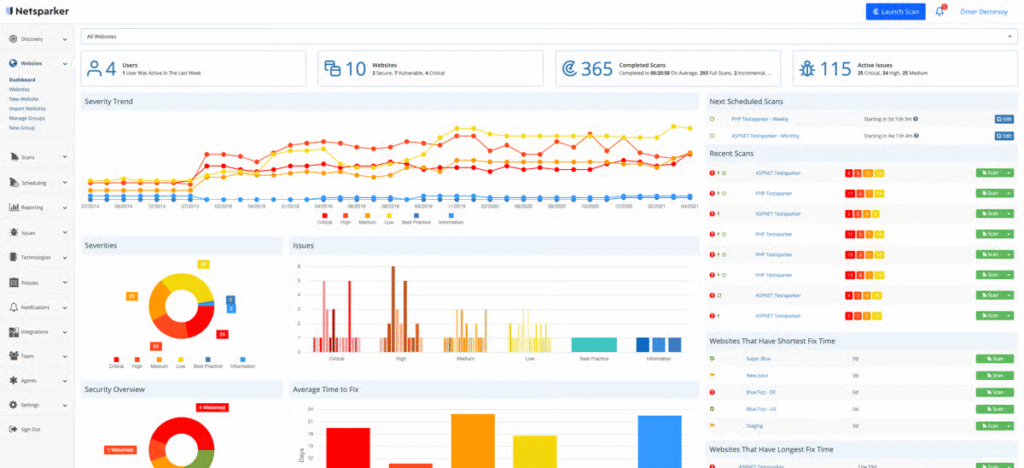
- Objective: Discover common web application vulnerabilities listed in the OWASP Top 10.
- Execution: Spin up OWASP Juice Shop inside Docker. Use Burp Suite’s proxy feature to intercept HTTP requests between your browser and the app. Practice manipulating input fields to execute a basic SQL Injection (SQLi) or Cross-Site Scripting (XSS) payload in a sandbox.
Step 4: Basic Incident Response Simulation (4–5 Hours)
- Objective: Track down a rogue process on a compromised machine.
- Execution: Log into a pre-configured scenario lab (such as a TryHackMe or Hack The Box incident response room). Inspect active network connections using
netstatorss, identify an unauthorized outgoing connection, trace its Process ID (PID), and pull the corresponding binary for basic inspection.
3. Real-World Independent Projects: Moving Beyond the Sandbox
Guided tutorials tell you what to type; independent projects force you to figure out why things break when you type them. Building something from scratch is what turns a student into a practitioner.
Project Ideas with Real Substantive Value
- Automated Phishing Header Parser: Write a Python script that takes a raw
.emlemail file, extracts the sender’s IP address, checks key authentication signatures (SPF, DKIM, DMARC), and outputs a risk score. - Firewall Logic Refactoring: Take a bloated, conflicting set of iptables or pfSense rules. Re-architect the rules to follow a strict default-deny policy, remove redundancy, and document why each rule exists.
- Static Android APK Analysis: Download an open-source Android app APK. Decompile it using tools like
apktoolorJADX, search the codebase for hardcoded API keys or cleartext HTTP endpoints, and write a vulnerability assessment report. - Ransomware Playbook & Recovery Matrix: Map out an operational, step-by-step incident response playbook for a mid-sized company hit by credential access and file encryption. Include communication protocols, machine isolation steps, backup verification, and legal notification timelines.
Repository Documentation Checklist
To make your project stand out to hiring managers:
- The Human Context: Explain why you built this and what problem it solves.
- Clear Setup Instructions: Provide explicit, step-by-step commands so anyone can clone and run your repository in under 5 minutes.
- Environment Dependencies: Include an exact
requirements.txtorDockerfile. - Reflective Post-Mortem: Include a section titled “What Broke & What I Learned.” Admitting where you got stuck and how you solved it demonstrates real engineering maturity.
4. Choosing Your Specialization: Where Curiosity Meets Career
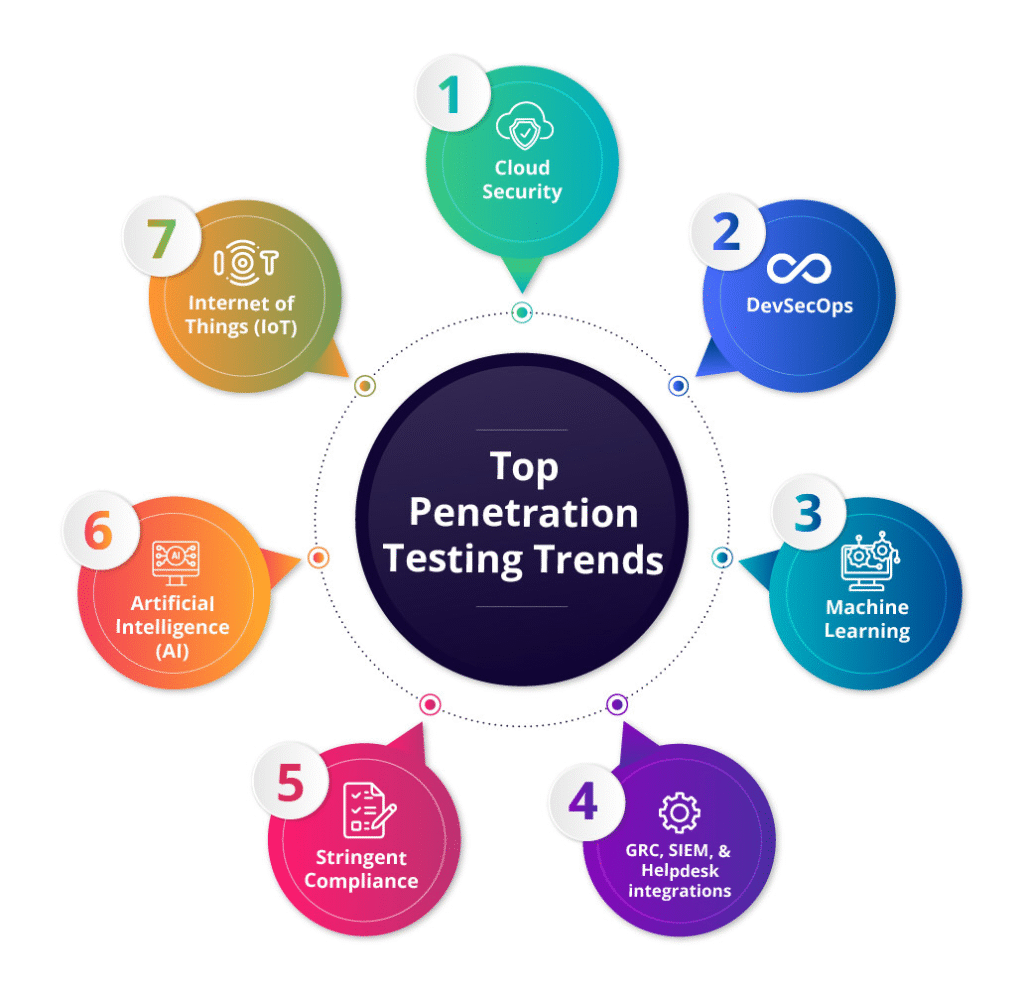
Cybersecurity is an umbrella term for dozens of distinct tracks. You don’t need to master everything—focus on where your natural interests align.
- Penetration Testing & Offensive Security: Ethical hacking. You systematically probe web apps, networks, and configurations to find vulnerabilities before adversaries exploit them. Ideal if you love taking things apart to see how they break.
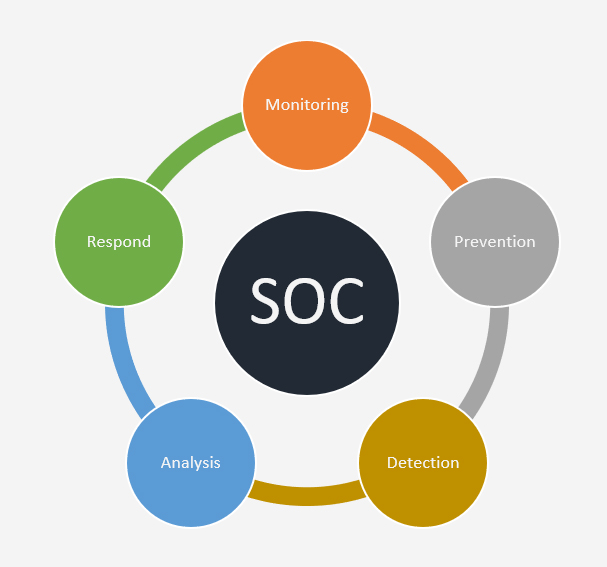
- Security Operations (SOC) & Incident Response: The digital first responders. You analyze live logs, spot anomalous behavior across SIEM platforms, and contain active security incidents. Ideal if you enjoy fast-paced problem solving under pressure.
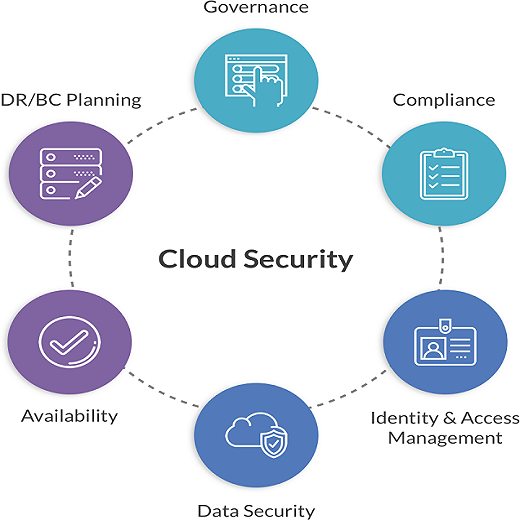
- Cloud Security: Protecting cloud workloads across platforms like AWS, Azure, and GCP. This specialization focuses on Identity and Access Management (IAM), infrastructure-as-code security, and container isolation. It is ideal if you enjoy system architecture, cloud technologies, and modern DevOps practices.
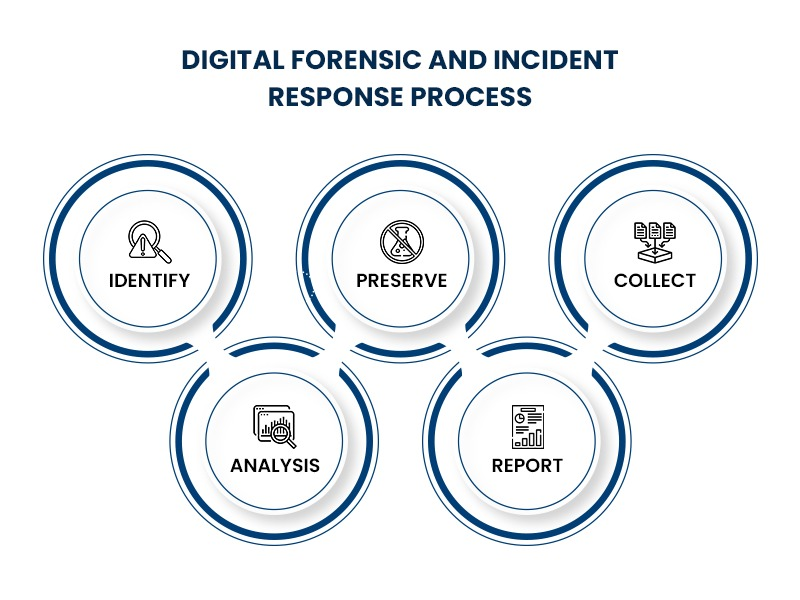
- Digital Forensics & Incident Response (DFIR): The digital detectives of cybersecurity. You recover deleted artifacts, analyze volatile RAM memory, reconstruct incident timelines, and preserve digital evidence. This field is ideal if you have meticulous attention to detail, patience, and strong investigative instincts.
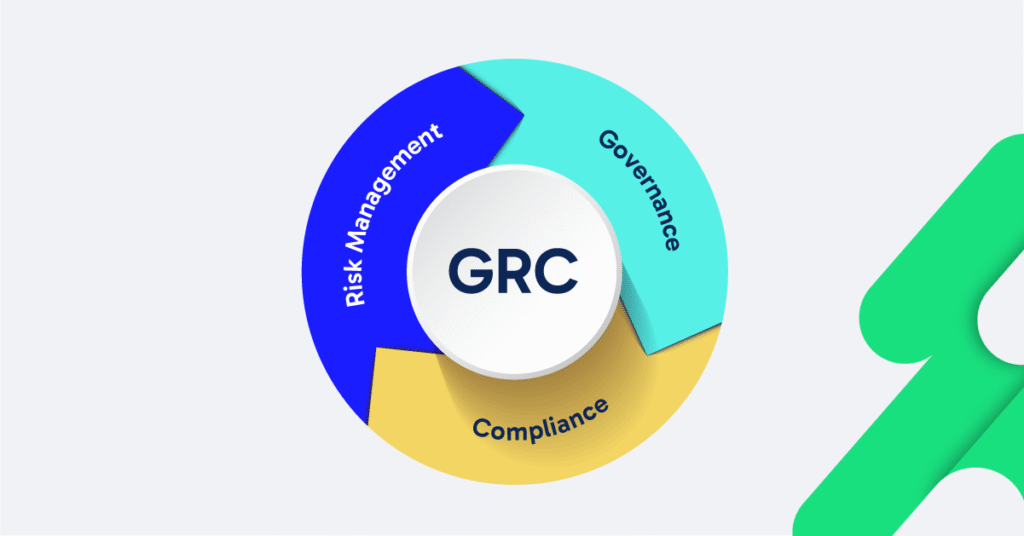
- Governance, Risk, & Compliance (GRC): Strategy, business logic, and policy. You align technical safeguards with legal regulations (NIST, ISO 27001, SOC 2) and translate technical risks into business decisions. Ideal if you are a strong communicator who bridges business and technology.
5. Primary Toolset & Frameworks: Tradecraft Over Hype
Tools don’t make the security professional—understanding the protocols behind the tools does. Learn these fundamental workhorses deeply rather than collecting superficial knowledge of dozens of utilities.
- Nmap: The essential network discovery scanner. Use it to scan open ports, identify running services, and detect operating system versions across target networks.
- Wireshark: The standard for packet capture and deep protocol inspection. Use it to troubleshoot network bottlenecks and analyze unencrypted payloads.
- Burp Suite: The leading proxy tool for web application security testing. Use it to manipulate HTTP request parameters, test authentication mechanics, and spot web logic flaws.
- Kali Linux / Security Onion: Specialized Linux distributions loaded with defensive or offensive security tooling.
- MITRE ATT&CK Framework: A real-world knowledge base of adversary tactics, techniques, and procedures (TTPs). Use it to map defensive logs directly against known threat-actor behavior.
6. Sustainable Learning Habits: Avoiding Burnout and Staying Sharp
Cybersecurity moves fast, and trying to absorb everything at once leads directly to fatigue. Build a sustainable daily rhythm that turns curiosity into long-term skill.
The 45-Minute Daily Rhythm
- 15 Minutes — Horizon Awareness: Read one detailed post-mortem report, threat intelligence brief, or security blog post (e.g., KrebsOnSecurity, CISA advisories, or vendor incident reports).
- 25 Minutes — Deliberate Practice: Spend focused time inside a hands-on lab environment (TryHackMe, Hack The Box, or your local virtual machines). Focus on completing one specific objective rather than rushing through multiple rooms.
- 5 Minutes — Written Reflection: Write down what worked, what failed, and the exact commands or concepts that gave you trouble.
Community & Collaboration

Cybersecurity is a team sport. Join local OWASP chapters, participate in regional Besides conferences, or get involved in open-source security tool development. Sharing write-ups of challenges you solved forces you to structure your thoughts clearly and builds your professional network naturally.
7. Building an Authenticated Portfolio: Storytelling Through Work
Resumes state what you claim to know; portfolios prove how you think. A compelling cybersecurity portfolio demonstrates technical curiosity, clarity, and real problem-solving ability.
Detailed Lab Write-Ups: Don’t just post flags or final scores. Explain how you deduced a vulnerability, what initial hypotheses proved wrong, and how you eventually confirmed the solution. These cybersecurity lab experiences showcase your practical skills.
Redacted / Mock Assessment Reports: Produce a professional cybersecurity vulnerability assessment report for a sample target. Include an executive summary written for business leaders alongside technical remediation steps for developers.
Clean Code & Automation Scripts: Publish well-commented Python, Bash, or PowerShell scripts built to automate log filtering, API querying, or configuration checks. These cybersecurity automation projects demonstrate your ability to solve real-world security challenges.
8. Career Readiness & Market Realities: Breaking In and Growing
The cybersecurity market highly values candidates who blend practical technical foundations with clear, empathetic human communication.
Key Career Traits Employers Look For
- Clear Technical Communication: Can you explain a complex buffer overflow or misconfigured S3 bucket to a non-technical executive without using alienating jargon?
- Methodical Troubleshooting: When a tool fails or outputs an error, do you panic, or do you systematically isolate variables until you find the root cause?
- Ethical Integrity: Security practitioners hold keys to sensitive infrastructure. Demonstrating personal responsibility and strong ethical judgment is non-negotiable.
Frequently Asked Questions
Do I need a Computer Science degree to start in 2026?
No, formal degrees aren’t required. Practical hands-on capability, home labs, and clear technical communication often carry equal or greater weight with employers.
Which programming language should I learn first?
Start with Python for scripting and data parsing. Basic Bash and PowerShell are also essential for day-to-day Linux and Windows administration.
Should I pursue certifications right away?
Build core skills in virtual labs first. Once grounded, foundational certifications like CompTIA Security+ help validate your knowledge on a resume.
How much time should I dedicate to learning daily?
Consistency beats intensity; 45 to 60 minutes of daily deliberate practice and reading will yield substantial progress without causing burnout.
What is the easiest specialization to break into?
Security Operations Center (SOC) entry-level roles and Junior GRC Analyst positions offer great entry points to build broad industry experience.