
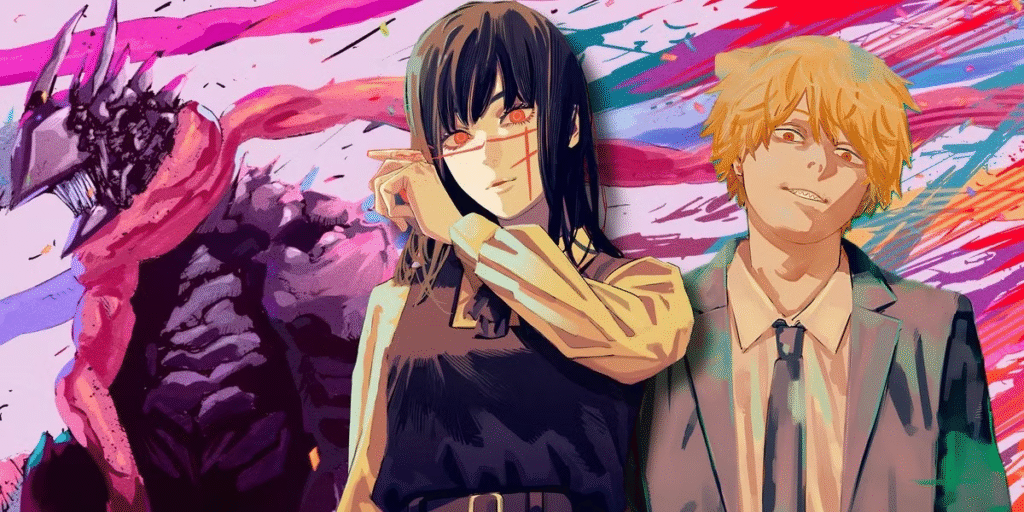
Few modern manga and anime series have captured global attention quite like Chainsaw Man. Known for its intense action, emotional storytelling, and unpredictable plot twists, the series constantly surprises readers and viewers. As the story reaches its dramatic conclusion in the first major arc, the ending leaves fans with many questions, emotional moments, and hidden meanings.
Created by Tatsuki Fujimoto, Chainsaw Man tells the story of a young man named Denji who gains the powers of the Chainsaw Devil after merging with his loyal devil companion, Pochita. What begins as a violent battle against devils slowly evolves into a complex story about power, manipulation, love, and human desire.
The ending of the first major storyline shocked fans with a powerful final twist involving one of the series’ most mysterious characters. Let’s break down the hidden meanings behind the ending and what it reveals about the future of the story.
The Build-Up to the Final Confrontation
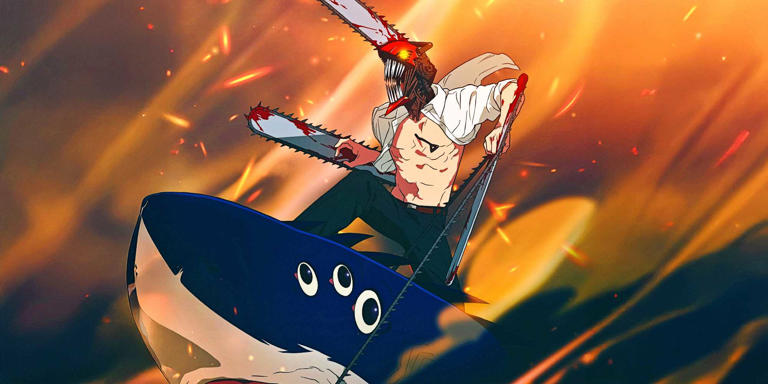

Throughout the series, Denji works as a devil hunter under the Public Safety organization. While he initially joins simply to survive and enjoy basic comforts like food and shelter, he soon becomes entangled in a dangerous world of powerful devils and secret agendas.
One of the most important figures guiding Denji during this journey is Makima. At first, Makima appears calm, intelligent, and supportive. She recruits Denji and promises him a better life in exchange for his loyalty.
However, as the story progresses, it becomes clear that Makima’s intentions are far more complicated and sinister than they first appear.
The Shocking Truth About Makima

One of the biggest twists in the ending is the revelation that Makima is actually the powerful Control Devil. This revelation completely changes how readers interpret the events of the story.
Makima’s goal is not simply to defeat devils. Instead, she seeks to control the world by using the immense power of Chainsaw Man. Because Chainsaw Man has the unique ability to erase devils from existence, Makima believes she can reshape reality itself by controlling Denji.
Her manipulations throughout the story—including emotional control and psychological pressure—were all part of a long-term plan to break Denji’s will and gain complete control over him.
Denji’s Emotional Breaking Point
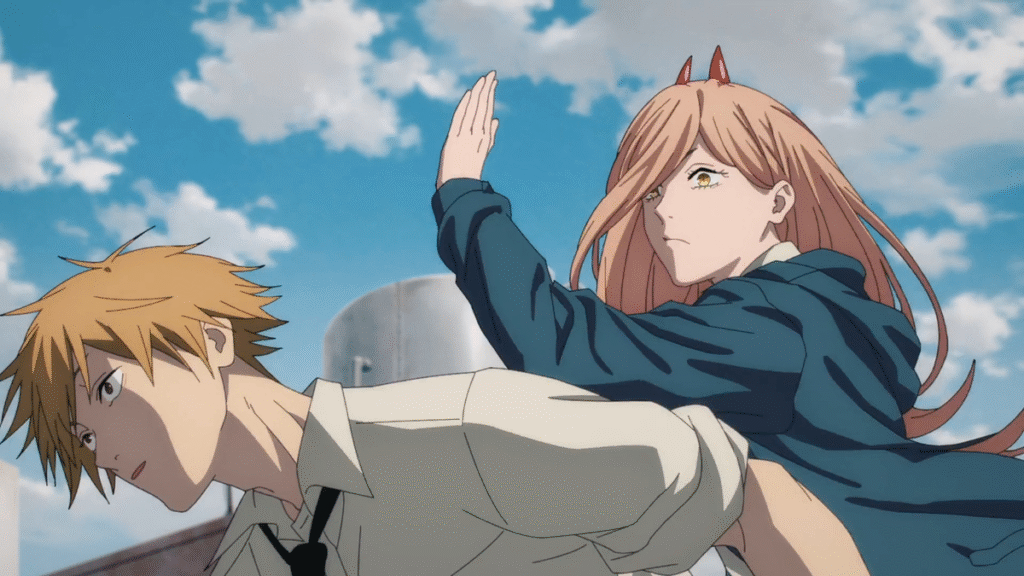
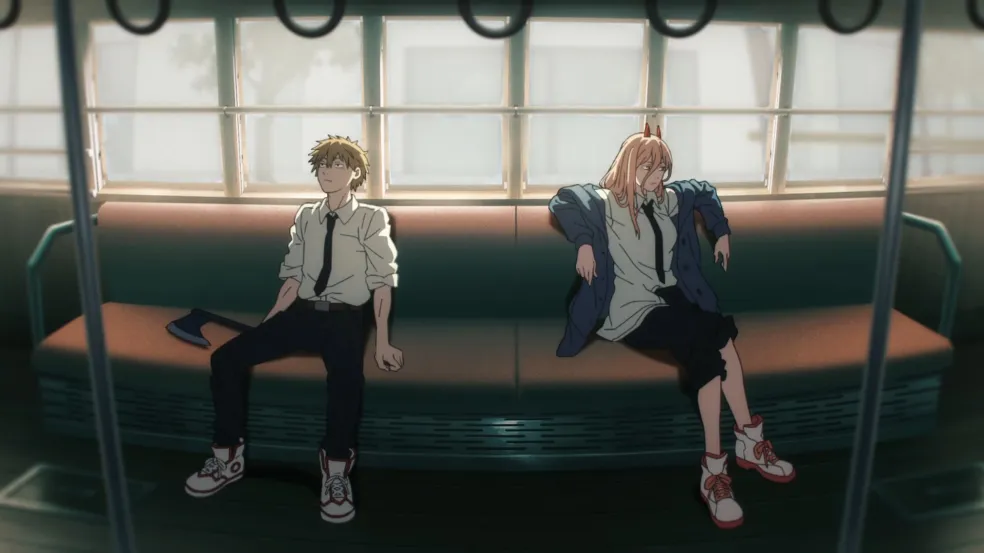
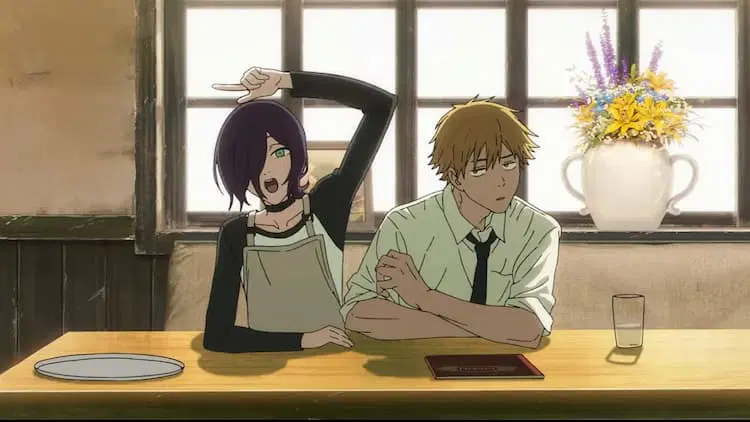
One of the most heartbreaking elements of the ending is how Denji is emotionally manipulated. Makima systematically removes the people closest to him, destroying the fragile happiness he had finally found.
Characters like Power and Aki Hayakawa played major roles in Denji’s life. Their tragic fates push Denji into deep emotional despair.
Makima’s ultimate plan was to completely break Denji’s sense of identity, allowing her to fully control the Chainsaw Man power within him.
This emotional devastation forms the core of the story’s darker themes—showing how manipulation and power can destroy a person’s sense of self.
The Final Battle and Denji’s Strategy
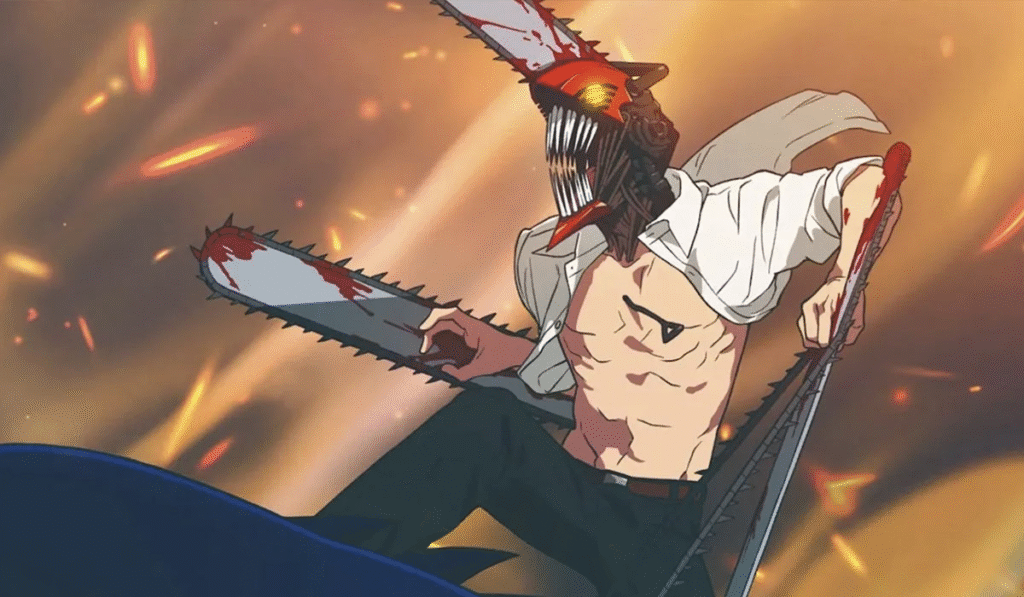
Despite Makima’s overwhelming power, Denji ultimately finds a clever way to defeat her. Instead of relying solely on brute strength, he uses intelligence and unpredictability.
Denji separates himself from the Chainsaw Man identity and launches a surprise attack that Makima does not anticipate. This strategy allows him to defeat her in a way that bypasses her seemingly invincible abilities.
The battle highlights one of the central ideas of the story: even the most powerful villains can be defeated through determination and creative thinking.
The Meaning Behind the Ending
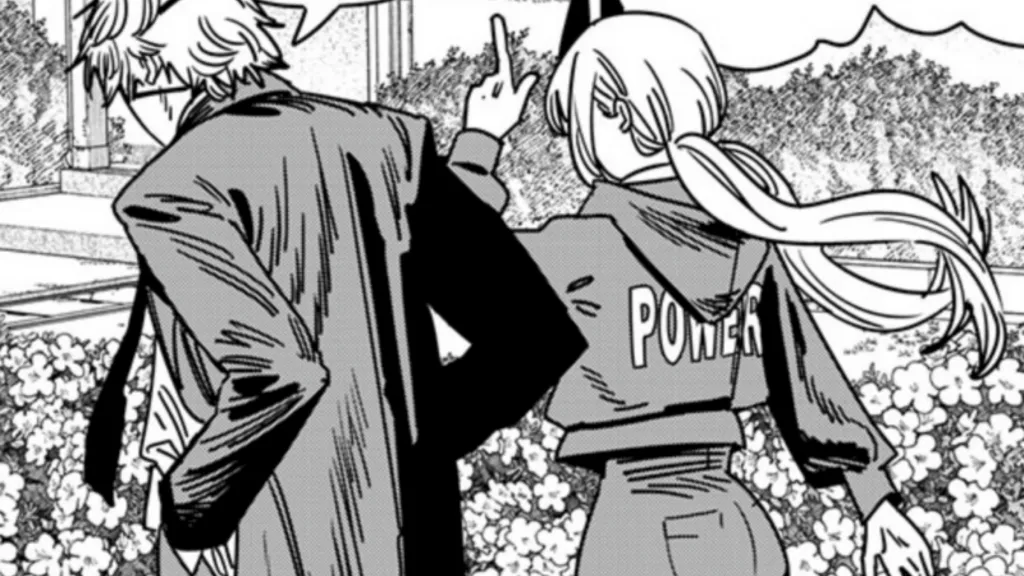
The ending of Chainsaw Man is not simply about defeating a villain. It also carries deeper emotional and philosophical meanings.
Throughout the story, Denji struggles with basic desires—food, comfort, relationships, and a sense of belonging. Unlike typical heroes who seek justice or glory, Denji simply wants a normal life.
By the end of the arc, Denji begins to understand that true happiness cannot be built on manipulation or control. His journey reflects the importance of personal freedom and genuine human connection.
Another powerful moment comes with the introduction of Nayuta, who represents the rebirth of the Control Devil in a new form. This moment suggests that power itself is not inherently evil—it depends on how it is used.
Denji chooses to raise Nayuta with kindness, hoping to break the cycle of control and manipulation that defined Makima.
What the Ending Means for the Future
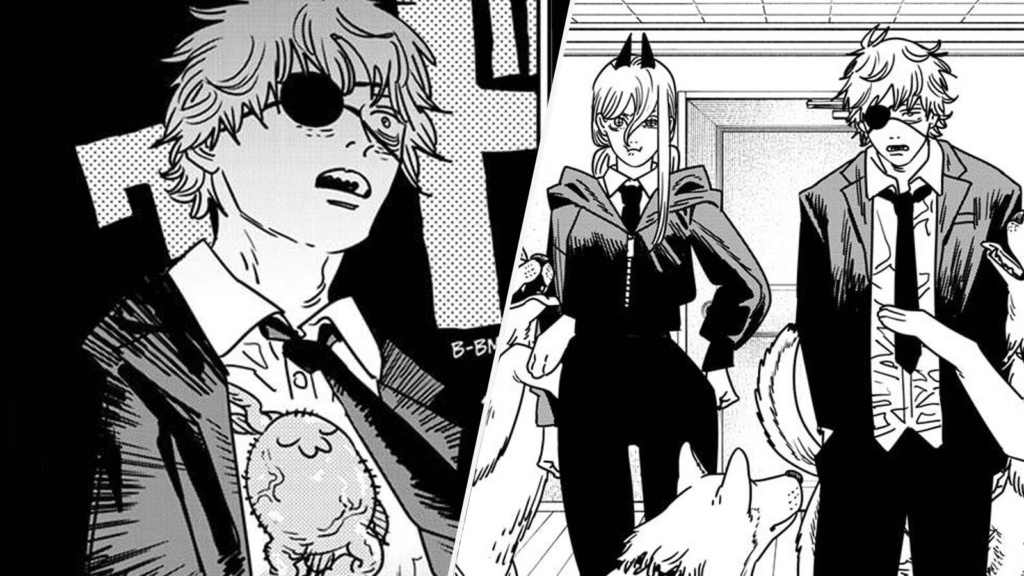
The conclusion of this arc opens the door for future storylines. While Makima’s plan is stopped, the world of Chainsaw Man remains filled with dangerous devils and powerful forces.
Denji’s role as Chainsaw Man continues, but his motivations have evolved. Instead of simply chasing small pleasures, he now carries the responsibility of protecting others while trying to build a better life.
Fans also know that the story continues in the second part of the manga, introducing new characters, new threats, and deeper mysteries about the devil world.
Prahaar Hits Theatres October 16: All You Need to Know
Real-life stories have a different kind of pull when they make their way to the…

The Paradise Movie: Everything to Know About Nani’s Latest Film
There are some movies that create curiosity long before they actually reach theatres, and The…

Drishyam 3: Cinema Release Date, Cast, Story and Trailer and Everything you need to know
There are some movie franchises that people watch for entertainment, and then there are those…

The Vvan Force of the Forest: Powerful Review
There are some movies that immediately tell you what kind of ride you are in…

Lust Stories 3 on Netflix: Everything You Need to Know
Some movie franchises return with bigger action, bigger sets, and bigger spectacle. Lust Stories has…

Hunkkaar – The Roar: All You Need to Know About the OTT Release
There are some OTT stories that are designed purely for entertainment, and then there are…

#ChainsawMan #ChainsawManEnding #AnimeAnalysis #MangaBreakdown #AnimeFans #ChainsawManTheory #Anslation #Carrerbook